9 Brilliant Living Room Corner Ideas for Cozy Retreats
Disclosure: As an Amazon Associate, I earn from qualifying purchases. This post may contain affiliate links, which means I may earn a small commission at no extra cost to you. I only recommend products I genuinely think could help you create a cozier home.
How to use this guide: Recommendations describe product types and buying considerations, not hands-on tests of a specific model. Search links show matching options in Australia and the US. Check the seller’s dimensions, materials, instructions and current pricing before buying. See our editorial approach.
That awkward corner behind your sofa—the one collecting dust bunnies and forgotten charging cables—could be the cosiest spot in your entire home. The best living room corner ideas don’t require a full renovation or an interior design degree. They just need intention: a thoughtful combination of light, texture, and a reason to actually spend time there.
Maybe you’ve scrolled past dreamy corner reading nook photos on Pinterest, wondering if your rental or small space could ever look that inviting. It absolutely can. The secret isn’t square footage; it’s layering the right elements in the right order.
Quick Takeaways: Living Room Corner Ideas
- Start with light – an arc floor lamp transforms dead corners instantly
- Add ground-level comfort – oversized floor cushions invite lingering
- Build upward – floating shelves create visual interest without stealing floor space
- Bring life in – a tall plant adds height and softens sharp angles
- Layer textures – mix materials (woven, velvet, ceramic) for warmth that photographs beautifully
Why Every Living Room Needs a Purposeful Corner
Unused corners make rooms feel unfinished. When you walk into a living room with empty corners, the eye has nowhere to rest—it just bounces off the walls and back to the sofa. But a styled corner creates a visual destination, making the entire room feel more complete and considered.
Beyond aesthetics, corner spaces solve practical problems. Need somewhere to read without the TV glaring at you? A corner reading nook handles that. Want a spot for morning coffee that isn’t the same sofa cushion where you watch Netflix? Your corner can become a micro-retreat within your own home.
According to environmental psychology research, having distinct zones within a room—even small ones—helps our brains switch between activities more effectively. Your corner isn’t just decor; it’s a permission slip to pause.
Step 1: Anchor with Light (The Non-Negotiable)
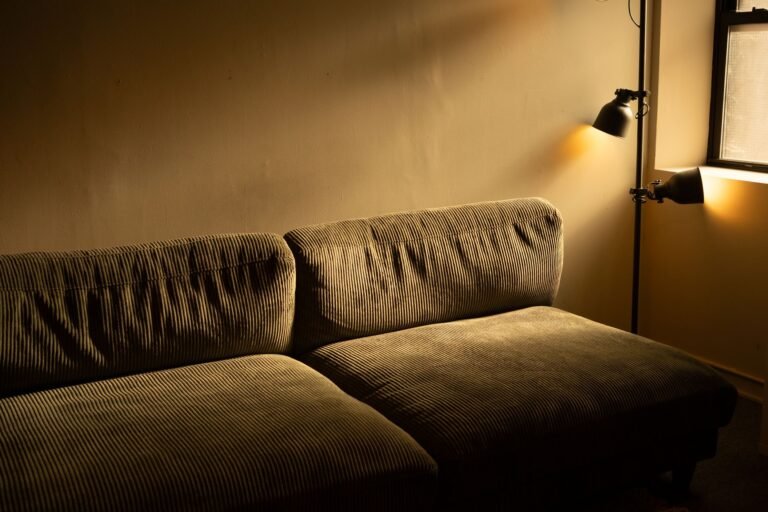
Lighting transforms a corner from forgotten to functional. Without adequate light, even the prettiest styling feels like an afterthought. A floor lamp corner setup does the heavy lifting here—it brings warmth, defines the space, and signals “this spot is intentional.”
Arc floor lamps work particularly well because they extend light over seating without taking up additional floor space. The curve also softens the hard angles that make corners feel awkward in the first place. Look for warm-toned bulbs (2700K-3000K) and a dimmer switch so you can adjust for reading versus relaxing.
#1 Best Ambient Option for Cosy Corners: Arc Floor Lamp with Dimmer
Best for: Creating warm ambient reading light | Why we picked it: Foot dimmer lets you set the perfect mood
This modern arc lamp reaches over seating without crowding the corner. The warm-toned bulb casts a gentle glow that makes evening reading feel like a ritual rather than a chore. If you’ve ever tried reading by overhead light and felt like you were in an interrogation room, you understand why dedicated task lighting matters.
- ✓ Arc design extends light without taking floor space
- ✓ Foot dimmer switch adjusts from bright to barely-there
- ✓ Warm bulb temperature flatters skin and fabrics
- ✗ Taller ceilings (9ft+) may need a longer arc model
Bottom line: Ideal if you want a reading corner that actually invites reading. Check the retailer for current pricing; depending on finish; the dimmer feature alone is worth the slight premium over basic models.
Browse matching options on Amazon AU · Browse matching options on Amazon US
Step 2: Create Ground-Level Comfort
Floor seating changes how you use a corner. A chair says “sit here for a specific task.” A floor cushion says “linger, curl up, bring a book and a blanket.” The informality invites relaxation in a way that formal furniture simply doesn’t.
Oversized floor cushions also solve a practical problem: they’re easy to move. Guests coming over and you need floor space? Stack them in a closet. Want to shift your reading spot to catch afternoon light? Just drag the cushion along. This flexibility makes them ideal for renters or anyone whose ideal corner might change with the seasons.
#2 Best Floor Seating for Lounging: Floor Cushion Oversized
Best for: Casual lounging and reading sessions | Why we picked it: Soft enough to sink into, firm enough for support
An oversized floor cushion turns any corner into a low-key reading nook. Look for one with a removable cover (accidents happen, coffee spills, cats exist) and enough structure that you’re not sitting on the floor through a flat pillow after a week. Square or round shapes both work; round softens corners visually while square maximises usable surface.
- ✓ Creates instant seating without permanent furniture commitment
- ✓ Removable covers make cleaning simple
- ✓ Stacks neatly when you need floor space back
- ✗ May need layering with a rug for hard floors
Bottom line: Perfect for renters, small spaces, or anyone who wants flexibility. Check the retailer for current pricing;; investing in one quality cushion beats buying three cheap ones that flatten immediately.
Browse matching options on Amazon AU · Browse matching options on Amazon US
Step 3: Build Upward with Living Room Corner Decor
Vertical elements make corners feel finished rather than forgotten. Once you’ve established lighting and seating at ground level, the eye needs somewhere to travel upward. Floating shelves solve this beautifully—they add storage, display space, and visual weight without eating into your floor plan.
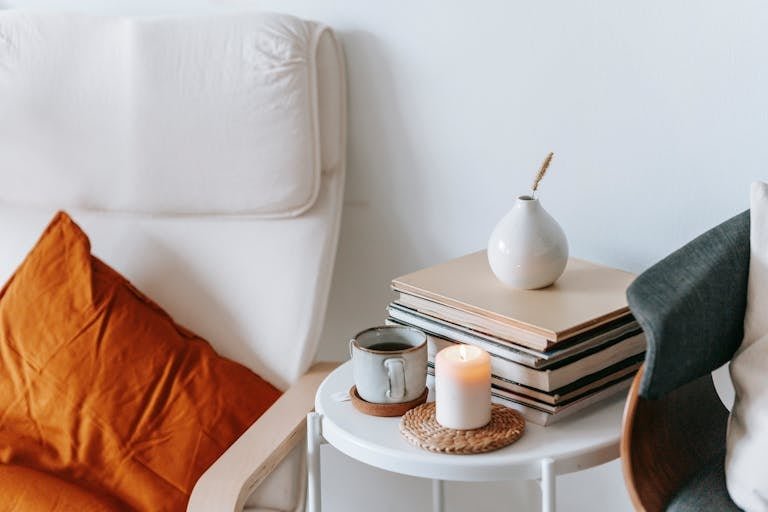
Corner-specific floating shelves maximise that awkward 90-degree angle most furniture ignores. Use them to display a small stack of books (spines out for colour, or covers forward for Instagram appeal), a trailing plant, a candle, and one personal object that makes you smile. The rule of three applies: odd numbers of objects feel more natural than even groupings.
If you’re looking for more ways to style small spaces intentionally, our guide to creating a reading nook covers layering techniques that work beautifully in corners.
#3 Best Space-Saver for Vertical Storage: Corner Floating Shelf
Best for: Displaying books, plants, and small decor | Why we picked it: Uses dead corner space without floor footprint
Corner floating shelves turn wasted wall angles into functional display space. Choose a set of two or three at staggered heights for the most visual impact. Wood tones add warmth; white or black blend into walls and let your objects do the talking. Installation typically requires a drill and level—about 15 minutes per shelf once you’ve found your studs.
- ✓ Transforms unused corner wall space into storage
- ✓ Keeps floor clear for seating or plants
- ✓ Multiple shelves create gallery-wall effect
- ✗ Requires wall mounting (not ideal for some rentals)
Bottom line: Worth it if you’re staying put for a while and want living room corner decor that actually functions. Check the retailer for current pricing; per shelf or set; wood finishes tend to run slightly higher than painted MDF.
Browse matching options on Amazon AU · Browse matching options on Amazon US
Step 4: Bring Life In (Literally)
Plants soften hard architecture like nothing else can. A tall plant in a corner adds height, organic shapes, and a sense of life that no amount of pillows or prints can replicate. The movement of leaves, the subtle variation in green tones, the gentle reminder that something in your home is alive and growing—these details make spaces feel genuinely nurturing.
If your corner doesn’t get direct sunlight (most don’t), look for low-light tolerant plants like snake plants, pothos, or ZZ plants. These survive neglect and still look intentional. The pot matters as much as the plant: a tall indoor plant pot with clean lines elevates even a basic nursery plant into something that looks styled.
#4 Best Finishing Touch for Corners: Tall Indoor Plant Pot
Best for: Elevating floor plants into statement pieces | Why we picked it: Adds height and sophistication to any greenery
A tall plant pot lifts your greenery to eye level, transforming a corner from “floor plant” to “intentional design moment.” Look for pots with built-in drainage trays or a tall stand that accommodates a standard nursery pot inside. Matte ceramics, rattan, and textured terracotta all work beautifully depending on your existing decor palette.
- ✓ Elevates plants to make corners feel complete
- ✓ Works with nursery pots (easy plant swapping)
- ✓ Variety of materials suits any decor style
- ✗ Heavier options may scratch hardwood without pads
Bottom line: The finishing touch that makes your corner look considered rather than accidental. Check the retailer for current pricing; depending on material; ceramic and rattan run higher than plastic or resin options.
Browse matching options on Amazon AU · Browse matching options on Amazon US
Layering Your Corner: Putting It All Together
The order you add elements matters for visual balance. Start with the floor lamp—it’s the tallest element and anchors the corner vertically. Next, place your floor cushion or seating at an angle, not perfectly parallel to the walls. This diagonal placement feels more natural and inviting.
Add your plant on the opposite side of the lamp to balance height. Then install floating shelves above and slightly behind the seating area—they should be visible when you’re sitting, not directly overhead. Finally, layer in a cozy throw blanket draped over the cushion and a small side tray for your coffee or book.
Texture Mixing That Works
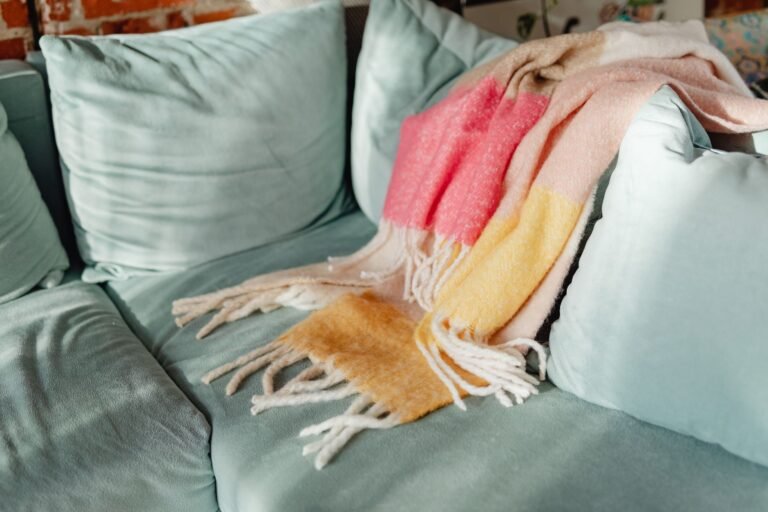
Corners can handle more texture variety than you might expect because they’re contained spaces. A chunky knit throw against a velvet cushion against a woven plant basket creates visual richness without feeling chaotic. The key is keeping your colour palette limited (two to three main colours plus neutrals) while going wild with materials.
Making Small Corners Feel Bigger
If your corner is genuinely tiny, prioritise vertical over horizontal. A tall narrow plant pot beats a squat wide one. A slim arc lamp with a narrow base takes less visual weight than a tripod floor lamp. Wall-mounted shelves instead of a bookcase keep the floor clear, and that clear floor space is what makes small corners feel breathable rather than cramped.
Corner Ideas by Style
For the Minimalist
One statement floor lamp, one plant in a simple ceramic pot, one floor cushion in a neutral linen. Nothing more. The emptiness itself becomes part of the design—space to breathe, space to think.
For the Maximalist
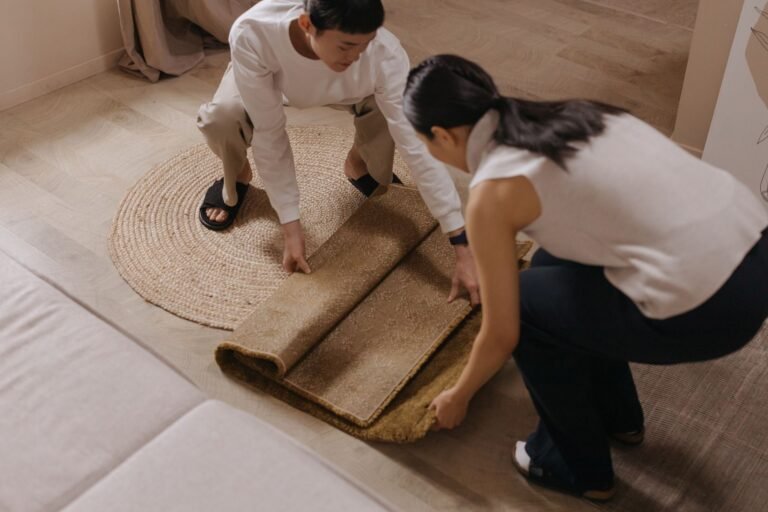
Layer a small rug under your floor cushion. Add multiple shelves with books, candles, small art pieces, trailing plants. Mix metallics with natural materials. Include string lights or fairy lights wound through the shelves. More is more, as long as you love every object.
For the Hygge Seeker
Focus on warmth above all else. A lamp with the lowest possible light (or skip it for candles on a safe tray). A floor cushion piled with weighted blankets. A sheepskin rug underneath. Books within arm’s reach. This corner should feel like a hug.
| Product | Best For | Key Feature | Ideal Room | Check Price |
|---|---|---|---|---|
| Arc Floor Lamp with Dimmer | Evening reading, ambient lighting | Foot dimmer for mood control | Living room, bedroom corner | Browse matching options on Amazon AU · Browse matching options on Amazon US |
| Floor Cushion Oversized | Casual lounging, floor seating | Removable washable cover | Living room, playroom, studio | Browse matching options on Amazon AU · Browse matching options on Amazon US |
| Corner Floating Shelf | Displaying books, plants, decor | Uses dead corner wall space | Living room, hallway, bedroom | Browse matching options on Amazon AU · Browse matching options on Amazon US |
| Tall Indoor Plant Pot | Adding height and greenery | Elevates standard nursery pots | Living room corner, entryway | Browse matching options on Amazon AU · Browse matching options on Amazon US |
Frequently Asked Questions
What is the best floor lamp for a living room corner?
An arc floor lamp with a dimmer switch is the most versatile choice for living room corners. The curved design extends light over seating without taking up floor space, and the dimmer lets you shift from bright reading light to soft ambient glow. Warm-toned bulbs (2700K-3000K) create the cosiest effect.
How do I style a small corner reading nook on a budget?
Start with a large floor cushion (often within your chosen budget) and a small stack of books or magazines. Add a clip-on reading light if you don’t have budget for a floor lamp, and drape a throw blanket for warmth. The total cost can be within your chosen budget while still creating a genuinely inviting spot.
What living room corner decor works for renters?
Focus on freestanding pieces: floor lamps, floor cushions, tall plant pots, and leaning artwork or mirrors. Command strips can hold lighter floating shelves without damaging walls. When you move, everything comes with you.
How do I make an awkward corner feel intentional?
Layer three to four elements at different heights: something tall (lamp or plant), something mid-height (stacked books or small shelf), and something at floor level (cushion or basket). The variety tells the eye this space was designed, not forgotten.
What plants work best in dark living room corners?
Snake plants, ZZ plants, pothos, and cast iron plants all tolerate low light remarkably well. They’ll survive (and even thrive) in corners that only get indirect or artificial light, making them ideal for north-facing rooms or spaces far from windows.
When is the best time to buy living room corner furniture?
Can I create a corner reading nook without a chair?
Absolutely—floor seating often feels more relaxed than traditional chairs anyway. Layer an oversized floor cushion with a meditation cushion or pouffe for back support. Add a small lap desk or tray table for your mug, and you’ve got a functional reading space that takes up less visual room than an armchair.
How do I keep my styled corner from looking cluttered?
Limit yourself to one object per category: one lamp, one plant, one basket, one throw. Edit ruthlessly—if you’re adding something new, remove something old. A styled corner should feel curated, not crowded. When in doubt, leave more empty space than you think you need.
What’s the difference between a reading nook and a reading corner?
A reading nook typically implies built-in or semi-enclosed seating—think window seats or alcoves with cushions. A reading corner is simply a dedicated reading space carved out of an existing room corner using freestanding furniture and decor. Both serve the same purpose; corners are usually easier and cheaper to create.
Your unused corner has been waiting for you to notice its potential. Start with light (it transforms everything), add comfort at ground level, build upward with shelves or height, and finish with something living. In an afternoon, that forgotten angle becomes the spot you head to first when you walk in the door—book in hand, ready to sink into your own private retreat.
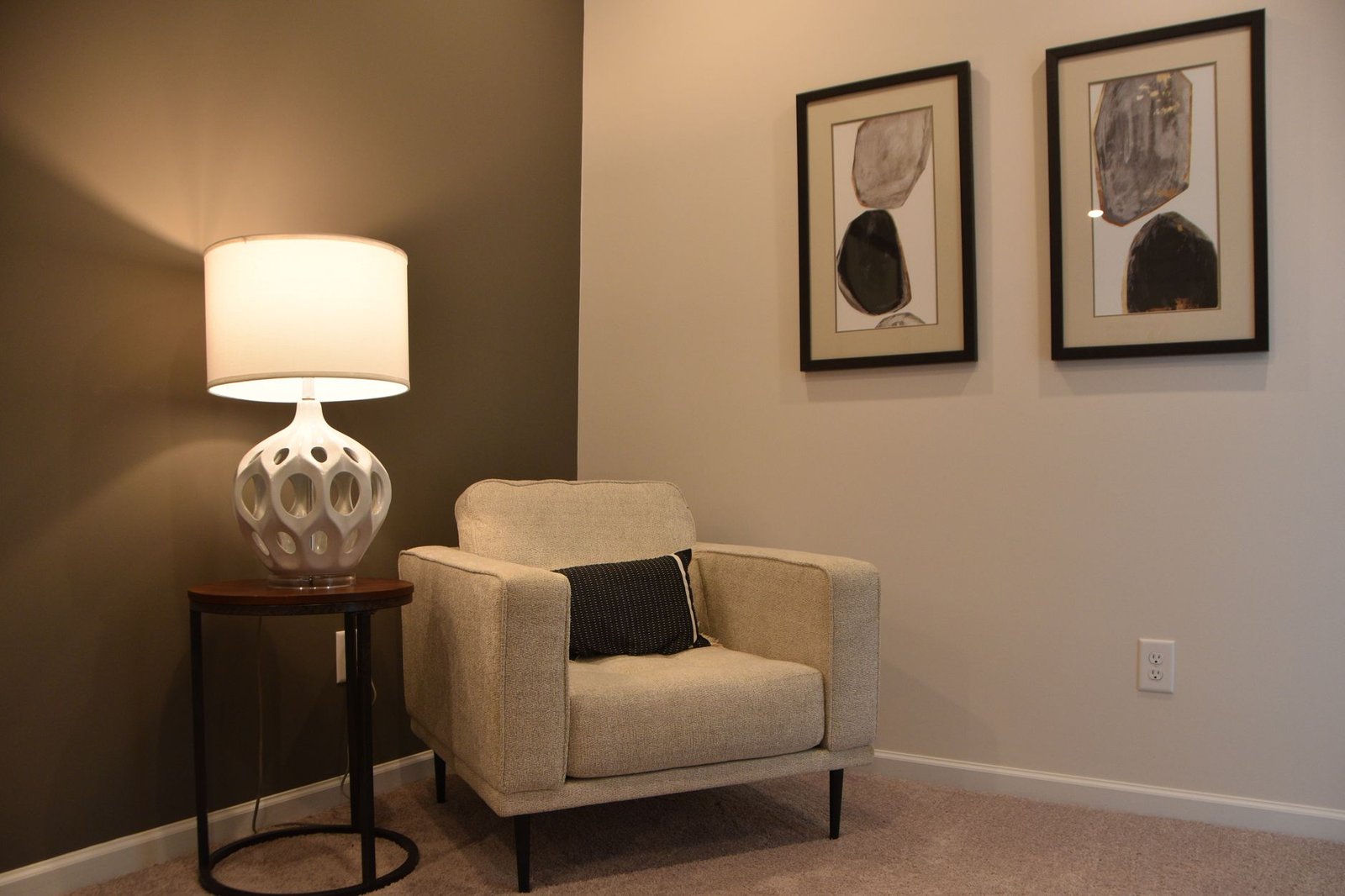
Featured image: Photo by Shantae Shaffer on Pexels