7 Brilliant Ways to Make Your Living Room Warmer
Disclosure: As an Amazon Associate, I earn from qualifying purchases. This post may contain affiliate links, which means I may earn a small commission at no extra cost to you. I only recommend products I genuinely think could help you create a cozier home.
How to use this guide: Recommendations describe product types and buying considerations, not hands-on tests of a specific model. Search links show matching options in Australia and the US. Check the seller’s dimensions, materials, instructions and current pricing before buying. See our editorial approach.
That draft slinking across your ankles while you’re trying to read. The radiator working overtime yet the sofa still feels cold. If you want to make your living room warmer without watching your energy bill climb, the answer isn’t more heat—it’s smarter insulation, strategic layering, and a few targeted upgrades that trap warmth where you actually sit.
Quick Answer: How to Warm a Living Room Without Heating
- Block drafts first — a door draft excluder stops the single biggest source of heat loss
- Layer the floor — rugs over hard floors can raise perceived warmth by several degrees
- Upgrade window insulation — thermal curtains reduce heat loss through glass by up to 25%
- Add personal warmth zones — chunky throws where you sit beat heating empty air
- Switch to warm lighting — dimmable lamps with warm bulbs create a psychological warmth boost
Why Your Living Room Feels Cold (Even With Heating On)
Cold air enters through gaps you barely notice—under doors, around window frames, through floorboards. According to the U.S. Department of Energy, air leaks can account for 25-30% of heating energy loss in a typical home. Meanwhile, single-glazed or poorly insulated windows radiate cold into the room even when closed.
The fix isn’t complicated. You address the entry points (drafts), insulate the surfaces that radiate cold (windows, floors), then add personal warmth layers so you feel cosy without heating the whole room to tropical temperatures.
Warm Living Room Ideas That Actually Work
These cosy tips tackle the problem from multiple angles. Start with the biggest heat thieves—doors and windows—then layer in texture and light.
1. Seal the Gap Under Your Door
A draft excluder is the unglamorous hero of a warm living room. That 1-2cm gap under your door lets cold hallway air flood in constantly. Block it, and you’ll notice the difference within minutes. This is the single most cost-effective upgrade for anyone dealing with persistent chills.
2. Hang Thermal Curtains Over Cold Windows
Thermal curtains create an insulating barrier between you and cold glass. The best ones have multiple layers—a decorative face, a thermal lining, and often a blackout layer that adds further insulation. Close them at dusk before the glass radiates cold into the room.
3. Layer Rugs Over Hard Floors
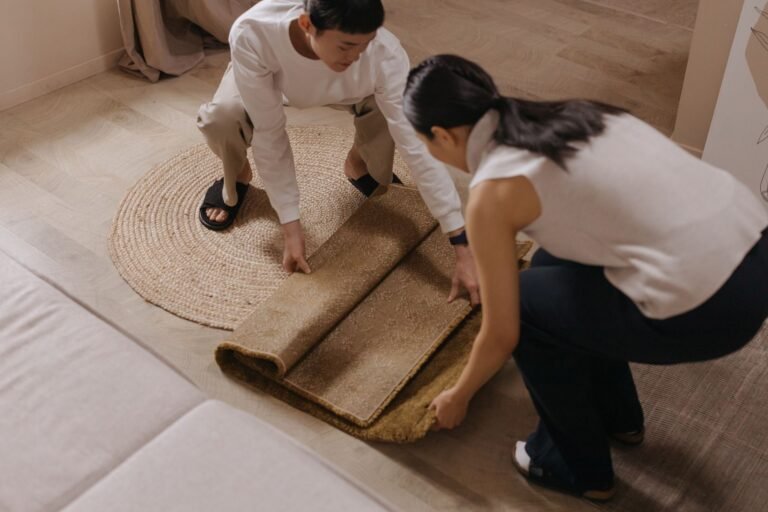
Hard floors—tile, laminate, wood—conduct cold. A thick rug creates an insulating layer and stops the floor wicking warmth from your feet. Natural fibres like jute or wool work particularly well. Layer a smaller plush rug over a larger natural-fibre base for extra cosiness underfoot.
4. Create Personal Warmth Zones
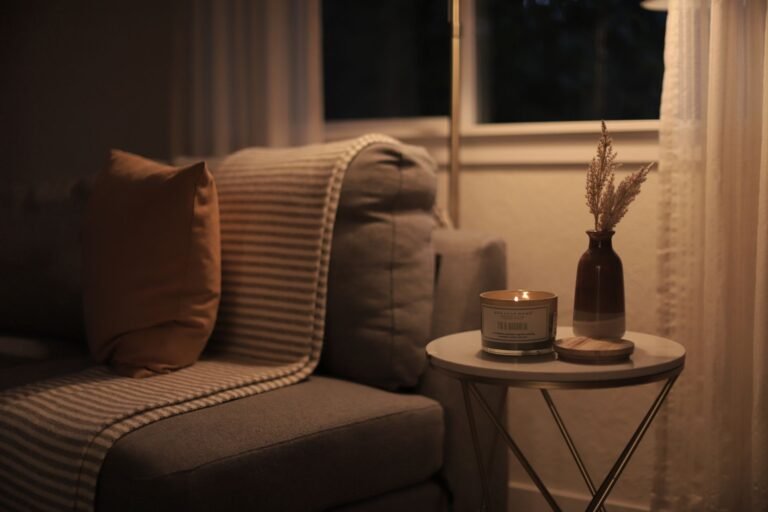
Rather than heating empty air, focus warmth where bodies actually sit. A chunky knit throw on the sofa. A weighted blanket for the reading chair. Cushions that insulate your back from a cold sofa frame. This approach lets you keep the thermostat lower while feeling warmer.
5. Switch to Warm Ambient Lighting
Cool overhead lighting makes rooms feel clinical. Warm-toned bulbs (2700K-3000K) and dimmable floor lamps create what researchers call “psychological warmth”—you perceive the room as cosier even at the same temperature. Position lamps at eye level or below for the most inviting glow.
#1 Best Thermal Upgrade for Cold Windows: Thermal Blackout Curtains
Best for: Rooms with single-glazed or poorly insulated windows | Price: (check current retailer pricing) per panel | Why we picked it: Multi-layer construction that genuinely reduces heat loss
Thermal blackout curtains are worth considering if your windows feel cold to the touch even when closed. The layered construction—typically a decorative face, thermal interlining, and blackout backing—creates a barrier that traps air and prevents the cold glass from radiating into the room. They work best when hung close to the window frame with minimal gaps at the sides.
- ✓ Reduces window heat loss by up to 25% according to energy studies
- ✓ Blocks light for better sleep if used in a living-bedroom combo
- ✓ Available in neutral colours that suit most decor styles
- ✗ Requires proper fitting to the window frame for maximum effect
Bottom line: Ideal for anyone whose windows are the main source of cold. Check the retailer for current pricing; per panel depending on size—a worthwhile investment that pays back in lower heating costs over a single winter.
Browse matching options on Amazon AU · Browse matching options on Amazon US
#2 Best Quick Fix for Door Drafts: Draught Excluder
Best for: Blocking cold air from hallways or exterior doors | Why we picked it: Immediate warmth improvement with zero installation
A draft excluder sits against the gap under your door and blocks cold air from creeping in. It’s the simplest upgrade on this list—no tools, no fitting, just place and forget. Look for weighted versions that stay put when the door opens, or double-sided designs that seal both sides of the gap.
- ✓ Works immediately with no installation required
- ✓ Portable—move it between rooms as needed
- ✓ Some designs double as a decorative accent
- ✗ Needs repositioning each time you open the door (non-adhesive types)
Bottom line: The fastest way to stop a draft. Check the retailer for current pricing; and you’ll feel the difference the first evening you use it. Essential for anyone with gaps under interior or exterior doors.
Browse matching options on Amazon AU · Browse matching options on Amazon US
#3 Best Floor Insulation for Hard Surfaces: Jute Area Rug
Best for: Adding warmth and texture to tile, laminate or wood floors | Price: (check current retailer pricing) depending on size | Why we picked it: Natural insulation that’s durable and stylish
A jute rug creates an insulating layer between your feet and a cold floor. The natural fibre traps air, adds texture, and brings a warm, organic aesthetic to the room. Jute works well as a base layer—you can place a smaller, softer rug on top for extra cosiness in high-traffic seating areas.
- ✓ Natural fibre that provides genuine insulation
- ✓ Neutral tone complements most colour schemes
- ✓ Durable enough for high-traffic living rooms
- ✗ Texture feels coarse underfoot—layer with a softer rug if barefoot comfort matters
Bottom line: A practical foundation for warmer floors. Check the retailer for current pricing; for living room sizes. Ideal if you have hard flooring and want a natural, textured look that also serves an insulating purpose.
Browse matching options on Amazon AU · Browse matching options on Amazon US
#4 Best Personal Warmth Layer for the Sofa: Chunky Knit Throw Blanket
Best for: Anyone who wants cosy texture and warmth | Why we picked it: Looks beautiful, feels substantial, traps body heat
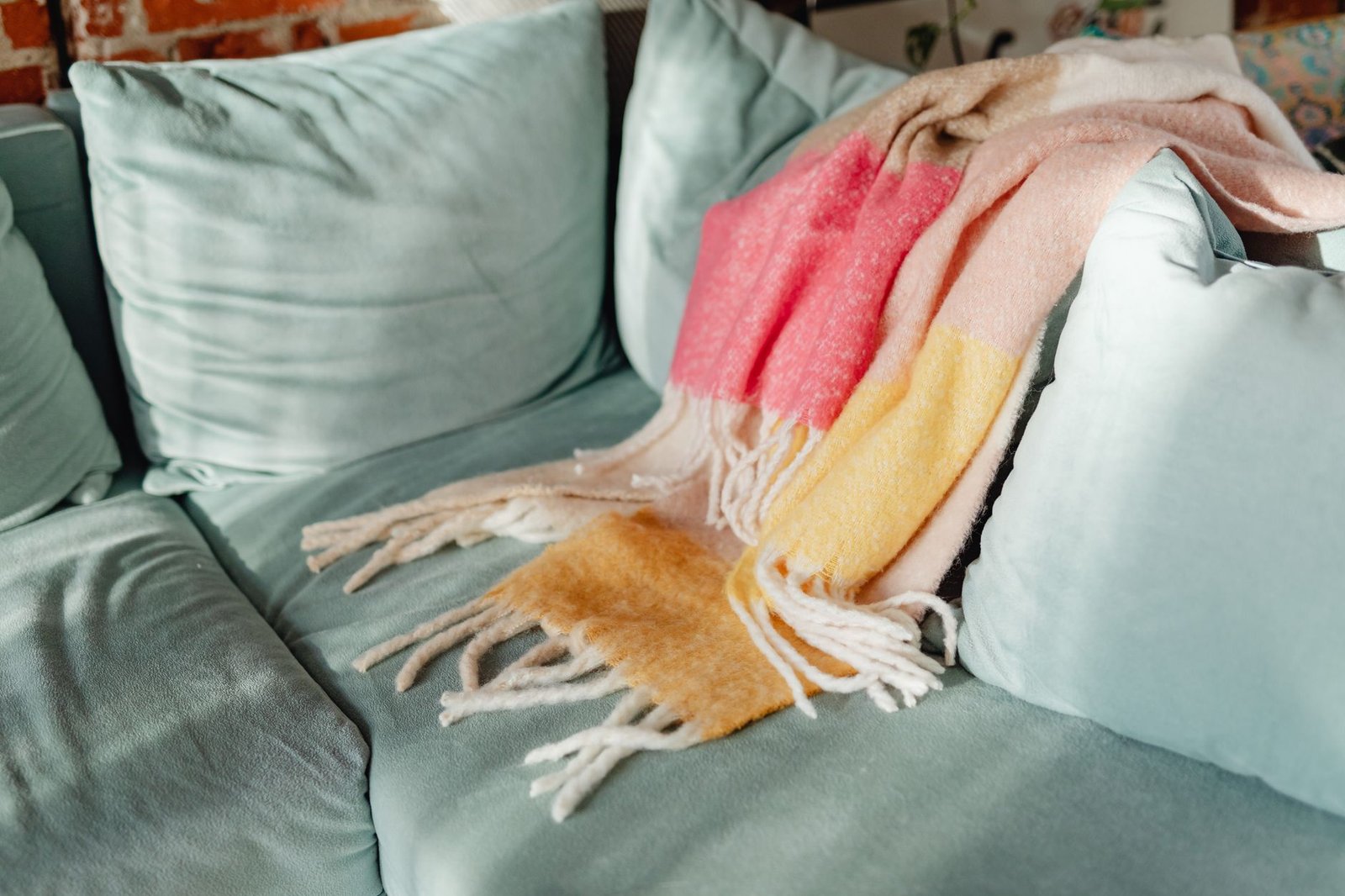
A chunky knit throw is the blanket you actually reach for. The thick, hand-knitted texture looks beautiful draped over a sofa arm and provides genuine warmth when wrapped around you. It’s the difference between decor that sits there and decor that gets used every evening from October to March.
- ✓ Substantial weight that feels cocooning without being heavy
- ✓ Adds visual texture and a hygge aesthetic to any sofa
- ✓ Available in neutral tones that layer well with existing decor
- ✗ Open knit means it’s better for body warmth than drafty toes
Bottom line: The go-to throw for anyone building a reading nook or cosy sofa corner. Check the retailer for current pricing; Worth investing in one you genuinely love since you’ll use it constantly.
Browse matching options on Amazon AU · Browse matching options on Amazon US
#5 Best Warm Lighting for Ambient Cosiness: Arc Floor Lamp with Dimmer
Best for: Creating a warm ambient reading corner | Why we picked it: Positions warm light exactly where you sit
An arc floor lamp curves over your seating area, placing warm light at the perfect height for reading or relaxing. The dimmer switch lets you adjust from bright task lighting to a soft evening glow. Paired with a warm-toned bulb (2700K), it transforms a cold-feeling room into something genuinely inviting.
- ✓ Directs warm light precisely over seating without overhead glare
- ✓ Foot dimmer allows easy adjustment without leaving the sofa
- ✓ Modern silhouette that works with contemporary or transitional decor
- ✗ Requires floor space beside the sofa—not ideal for very tight layouts
Bottom line: Essential for anyone whose living room relies on harsh overhead lighting. Check the retailer for current pricing; The psychological warmth from proper ambient lighting is surprisingly effective at making a room feel cosier.
Browse matching options on Amazon AU · Browse matching options on Amazon US
Additional Cosy Tips for a Warmer Living Room
Beyond the products above, a few habits and small tweaks make a noticeable difference.
- Rearrange furniture away from exterior walls — cold radiates from outside walls, so pulling the sofa a few inches inward helps
- Use cushions strategically — they insulate your back from cold sofa frames
- Close internal doors — keeps warm air contained in the room you’re using
- Bleed radiators regularly — trapped air stops them working efficiently
- Consider a small heated throw — uses less energy than heating the whole room
Comparison: Best Products to Make Your Living Room Warmer
| Product | Best For | Key Feature | Ideal Room | Check Price |
|---|---|---|---|---|
| Thermal Blackout Curtains | Cold windows | Multi-layer insulation | Any room with drafty windows | Browse matching options on Amazon AU · Browse matching options on Amazon US |
| Draught Excluder | Door gaps | Instant draft blocking | Living rooms with hallway access | Browse matching options on Amazon AU · Browse matching options on Amazon US |
| Jute Area Rug | Hard floor insulation | Natural fibre warmth | Living rooms with tile or wood | Browse matching options on Amazon AU · Browse matching options on Amazon US |
| Chunky Knit Throw | Personal warmth | Cosy texture + body heat retention | Sofa or reading corner | Browse matching options on Amazon AU · Browse matching options on Amazon US |
| Arc Floor Lamp with Dimmer | Ambient lighting | Adjustable warm glow | Reading nooks or sofa areas | Browse matching options on Amazon AU · Browse matching options on Amazon US |
Frequently Asked Questions
What is the best way to make a living room warmer without turning up the heating?
The most effective approach combines blocking drafts (using a door excluder), insulating windows (with thermal curtains), and adding floor coverage (rugs). These three changes address the main sources of heat loss. Then layer in personal warmth items like throws where you sit, so you feel cosy without heating the whole room.
Do thermal curtains really make a difference?
Yes, properly fitted thermal curtains can reduce heat loss through windows by up to 25%. The key is choosing curtains with genuine thermal lining (not just decorative fabric) and hanging them close to the window frame with minimal gaps at the sides. Close them at dusk before the glass starts radiating cold into the room.
What is the best draft excluder for living room doors?
Look for a weighted or double-sided draft excluder that stays in place when the door moves. Weighted fabric versions work well for interior doors, while brush-strip excluders suit exterior doors with uneven thresholds. Most effective options cost (check current retailer pricing) and make an immediate difference.
How do rugs help make a room warmer?
Hard floors conduct cold, which makes your feet feel chilly and lowers your overall perception of room temperature. Rugs—especially natural fibres like jute or wool—create an insulating barrier that stops cold transferring from the floor to your body. Layering a soft rug over a larger natural-fibre rug adds extra insulation.
Does lighting affect how warm a room feels?
Absolutely. Research shows warm-toned lighting (2700K-3000K bulbs) creates “psychological warmth”—you perceive the room as cosier even at the same physical temperature. Dimmable lamps positioned at eye level or below feel more inviting than cool overhead lighting. It’s a subtle but effective cosy tip.
When is the best time to buy thermal curtains and draft excluders?
Autumn sales (September–October) often feature home insulation products as retailers prepare for winter demand. However, January sales can offer deeper discounts on remaining stock. If you’re buying in summer, you’ll typically find smaller selections but sometimes better prices on off-season items.
Can I make my living room warmer without spending much money?
Yes. A draft excluder ( (check current retailer pricing)) delivers the biggest impact per pound spent. Beyond that, rearranging furniture away from exterior walls, closing internal doors, and using cushions strategically all help at zero cost. A single throw blanket for where you sit is more effective than heating empty air.
What’s the difference between thermal curtains and blackout curtains?
Blackout curtains block light but don’t necessarily insulate. Thermal curtains have specific heat-blocking layers (often foam or fleece backing) designed to reduce heat transfer through glass. Many thermal curtains also offer blackout properties, but not all blackout curtains provide thermal insulation. Check the product description for thermal ratings.
How many of these warm living room ideas should I implement?
Start with the biggest heat thief in your specific room. If you have a drafty door, a draft excluder alone might be enough. If windows are the issue, prioritise thermal curtains. Most living rooms benefit from addressing drafts first, then adding floor insulation, then layering in personal warmth items. You’ll notice diminishing returns after the first two or three changes.
A warm living room isn’t about cranking the thermostat—it’s about keeping warmth where it belongs and adding cosiness where you actually sit. Start with a draft excluder and thermal curtains if windows are cold, layer a rug over hard floors, then settle into a chunky throw under warm lamplight. That’s the difference between a room that fights the cold and one that wraps around you.
Featured image: Photo by www.kaboompics.com on Pexels