
Japandi Decor Ideas: 5 Essential Pieces for Warm Minimalism
Disclosure: As an Amazon Associate, I earn from qualifying purchases. This post may contain affiliate links, which means I may earn a small commission at no extra cost to you. I only recommend products I genuinely think could help you create a cozier home.
How to use this guide: Recommendations describe product types and buying considerations, not hands-on tests of a specific model. Search links show matching options in Australia and the US. Check the seller’s dimensions, materials, instructions and current pricing before buying. See our editorial approach.
The best japandi decor ideas share one quality: they make empty space feel intentional rather than unfinished. This hybrid aesthetic—born from Scandinavian hygge and Japanese wabi-sabi—rewards you with rooms that feel both spare and deeply comfortable, like a breath held in the best possible way. The secret isn’t owning less; it’s choosing pieces where natural materials, tactile textures, and quiet functionality do the heavy lifting.
At a Glance: Japandi Styling Essentials
- Foundation: Natural materials like bamboo, linen, and unglazed ceramics create warmth without clutter
- Colour palette: Cream, sand, warm grey, muted sage—nothing stark white or cold
- Key principle: Every object should be useful, beautiful, or ideally both
- Texture rule: When colours stay neutral, vary the textures liberally
- Living element: One plant or branch grounds the space in nature
Understanding Japandi Interior Design: Where Two Philosophies Meet
Japandi interior design succeeds because Scandinavian and Japanese aesthetics already share DNA. Both cultures embrace natural materials, functional beauty, and the idea that your home should feel like a refuge. The difference is temperature: Scandinavian design leans into cozy warmth (think sheepskin throws and candlelight), while Japanese design emphasizes peaceful restraint and negative space.
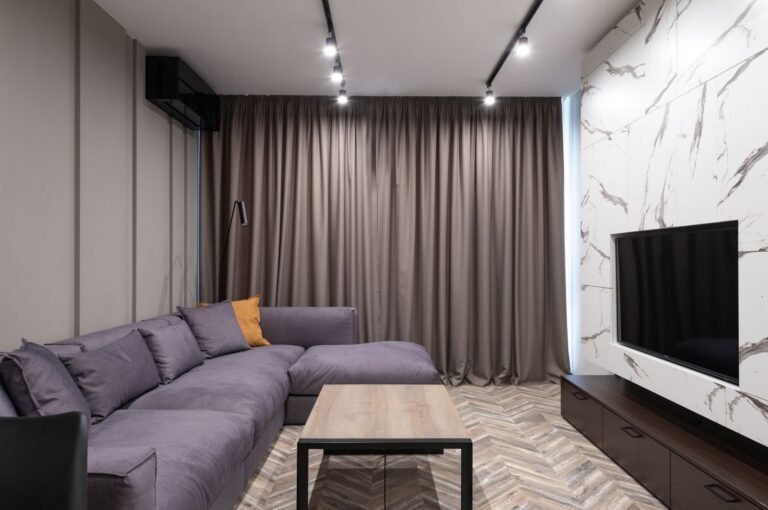
The magic happens when you blend these impulses. A japandi living room might feature a low-profile sofa in oatmeal linen, a single sculptural branch in a ceramic vase, and warm wood tones throughout—minimal but never cold. According to Architectural Digest, this fusion has staying power precisely because it prioritizes comfort alongside aesthetics.
The products below aren’t random picks. Each one addresses a specific japandi principle: natural materials, quiet functionality, and that elusive quality of looking both handcrafted and effortless.
#1 Best Natural Wood Accent for Japandi Living Rooms: Bamboo Serving Tray
Best for: Organising surfaces with natural warmth | Why we picked it: Brings organic texture without visual noise
A bamboo serving tray is the quiet workhorse of japandi styling. Use it to corral candles and a small plant on your coffee table, or keep it on your nightstand to collect the daily drift of lip balm, earrings, and your current read. The natural grain variations mean no two trays look identical—exactly the kind of imperfect beauty wabi-sabi celebrates.
- ✓ Natural bamboo grain adds warmth to any surface
- ✓ Creates intentional groupings from random objects
- ✓ Lightweight yet sturdy for everyday moving
- ✗ May show water marks without occasional oiling
Bottom line: Ideal if you want a single piece that instantly makes scattered items look curated. Typically runs (check current retailer pricing) with larger trays at the higher end.
Browse matching options on Amazon AU · Browse matching options on Amazon US
#2 Best Scandinavian-Inspired Textile for Warm Minimal Sofas: Linen Natural Cushion
Best for: Adding cozy texture to clean-lined furniture | Why we picked it: Linen’s rumpled texture prevents minimalism from feeling sterile
Linen cushions are non-negotiable in japandi spaces because they solve the biggest problem with minimalism: it can feel unwelcoming. A natural linen cushion in oatmeal, sand, or warm grey says “sit here” in a way that a bare sofa never will. The fabric actually looks better slightly rumpled, which is a relief if you’re not the type to fluff pillows daily.
- ✓ Gets softer and more inviting with each wash
- ✓ Natural colour variations suit any neutral palette
- ✓ Temperature-regulating fabric stays comfortable year-round
- ✗ Shows wrinkles easily (though that’s part of the charm)
Bottom line: Worth considering if your sofa looks beautiful but nobody wants to sit on it. A pair typically costs (check current retailer pricing) and transforms rigid furniture into something approachable.
Browse matching options on Amazon AU · Browse matching options on Amazon US
#3 Best Japanese Element for Minimalist Plant Displays: Indoor Bonsai Pot
Best for: Showcasing small plants as sculptural focal points | Why we picked it: Elevates even a simple succulent into intentional decor
In japandi styling, one plant in a beautiful pot beats a jungle of mismatched containers. An indoor bonsai pot—typically shallow with drainage, in muted earthen tones—brings Japanese aesthetic principles directly into your space. You don’t need an actual bonsai; a small fern, succulent, or even a cutting propagating in water looks equally striking.
- ✓ Shallow profile suits windowsills and narrow shelves
- ✓ Unglazed or matte finishes complement natural wood tones
- ✓ Makes a single plant feel like a considered choice
- ✗ Small drainage holes require careful watering
Bottom line: A practical option if you want greenery without the chaos of multiple planters competing for attention. Quality ceramic pots typically run (check current retailer pricing)
Browse matching options on Amazon AU · Browse matching options on Amazon US
#4 Best Sculptural Accent for Natural Japandi Vignettes: Ceramic Vase Neutral
Best for: Creating focal points with or without flowers | Why we picked it: Handcrafted imperfections embody wabi-sabi philosophy
A neutral ceramic vase is the one piece that earns its place on the shelf even when it’s empty. Look for organic shapes with visible texture—reactive glazes that pool unevenly, slight asymmetries, matte finishes that beg to be touched. These imperfections are features, not flaws. Fill it with a single dried stem, a branch of eucalyptus, or nothing at all.
- ✓ Matte or reactive glazes catch light beautifully
- ✓ Works empty as sculptural decor
- ✓ Pairs with both dried arrangements and fresh flowers
- ✗ Unglazed interiors may need a water-holding insert
Bottom line: Ideal for anyone building a cozy living room vignette who wants something more interesting than a generic cylinder. Expect to spend (check current retailer pricing) for a handcrafted look.
Browse matching options on Amazon AU · Browse matching options on Amazon US
#5 Best Hygge Touch for Scandinavian Japanese Evenings: Soy Wax Candle Set of 3
Best for: Creating warm, homey scent without toxins | Why we picked it: Clean burn and complementary fragrances simplify styling
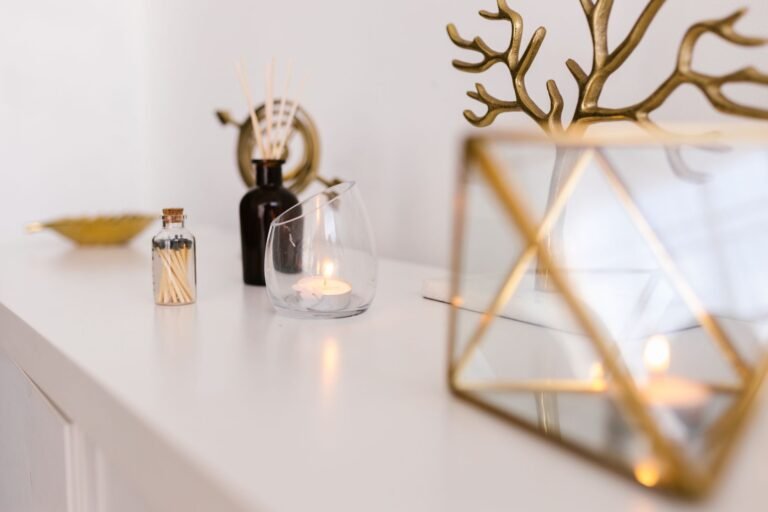
Candlelight is where the Scandinavian half of japandi really shines. A set of three hand-poured soy candles in complementary scents—think cedarwood, linen, and bergamot—lets you rotate based on mood without hunting for matching vessels. Soy burns cleaner than paraffin, which matters when you’re cultivating a space meant to feel like a sanctuary.
- ✓ Long-lasting clean burn without black soot
- ✓ Three coordinated scents suit different moods
- ✓ Simple vessels work with minimal aesthetics
- ✗ Smaller candles may have shorter burn times
Bottom line: May suit you if you love the hygge ritual of lighting candles but want scents that feel curated rather than random. Sets typically cost (check current retailer pricing) depending on size and brand.
Browse matching options on Amazon AU · Browse matching options on Amazon US
Putting It Together: A Japandi Styling Formula
The rule of three works beautifully in japandi spaces. On a coffee table: bamboo tray, ceramic vase with single stem, one candle. On a shelf: bonsai pot, stack of two neutral books, small sculptural object. The key is varying heights and textures while keeping colours within the same warm neutral family.
Resist the urge to fill every surface. Japandi design uses negative space as deliberately as it uses objects—that empty corner isn’t a problem to solve, it’s breathing room. If you’re transitioning from a more maximalist style, start by removing one thing from each surface and see how the room feels in a week.
Comparison: Japandi Decor Essentials at a Glance
| Product | Best For | Key Feature | Ideal Room | Check Price |
|---|---|---|---|---|
| Bamboo Serving Tray | Surface organisation | Natural wood grain | Living room, bedroom | Browse matching options on Amazon AU · Browse matching options on Amazon US |
| Linen Natural Cushion | Adding warmth to sofas | Softens with washing | Living room, reading nook | Browse matching options on Amazon AU · Browse matching options on Amazon US |
| Indoor Bonsai Pot | Minimalist plant display | Shallow sculptural profile | Windowsill, shelf, entryway | Browse matching options on Amazon AU · Browse matching options on Amazon US |
| Ceramic Vase Neutral | Sculptural focal points | Handcrafted wabi-sabi look | Living room, console table | Browse matching options on Amazon AU · Browse matching options on Amazon US |
| Soy Wax Candle Set | Creating hygge ambiance | Clean burn, coordinated scents | Any room, especially evening spaces | Browse matching options on Amazon AU · Browse matching options on Amazon US |
Frequently Asked Questions
What is the best way to start decorating in japandi style?
Begin by editing what you already own—remove anything plastic, brightly coloured, or purely decorative without function. Then add one natural wood piece and one linen textile. Japandi is as much about subtraction as addition, so resist buying everything at once and let each piece settle into the space before adding more.
What colours work best for japandi interior design?
Warm neutrals form the foundation: cream, sand, oatmeal, warm grey, taupe, and muted sage. Avoid stark white, which reads cold and clinical. The goal is a palette that feels like natural materials—think undyed linen, raw wood, unglazed clay—rather than paint chips.
Can japandi decor work in a small apartment?
Japandi actually thrives in smaller spaces because it embraces minimalism and intentional negative space. Fewer but higher-quality pieces prevent the cramped feeling that comes from over-furnishing. Focus on multipurpose items like a bamboo tray that serves both organisation and decor functions.
What is the difference between japandi and minimalist decor?
Minimalism often prioritizes stark, cold aesthetics with black, white, and hard edges. Japandi incorporates Scandinavian warmth through natural textures, soft lighting (candles are essential), and organic imperfections. A minimalist room might feel like a gallery; a japandi room should feel like somewhere you want to curl up with tea.
How do I make japandi style feel cozy, not cold?
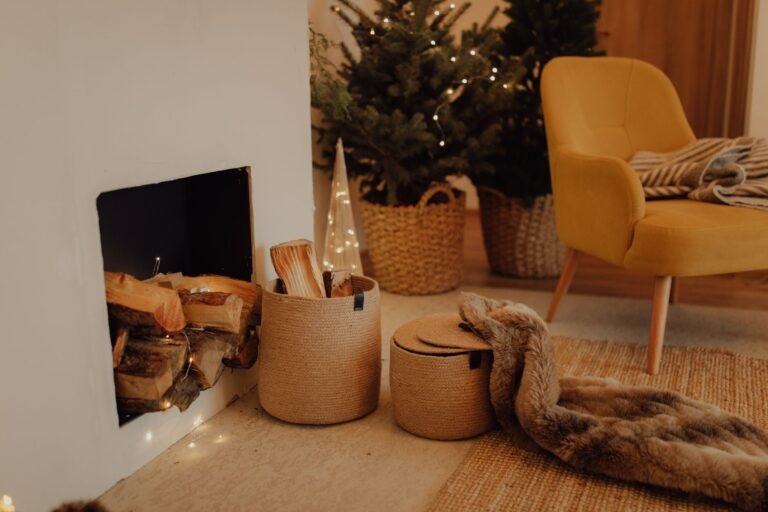
Layer textures liberally—linen cushions, a wool throw, woven baskets, and unglazed ceramics all add tactile warmth without adding colour chaos. Evening lighting matters enormously: rely on candles and warm-toned lamps rather than overhead lights. The Scandinavian concept of hygge is your friend here.
What plants suit japandi living rooms?
Choose structural plants with clean lines: single-stem fiddle leaf fig, snake plant, pothos trailing from a high shelf, or a small bonsai. Avoid fussy flowering plants or anything that requires constant grooming. One statement plant beats five small pots scattered randomly.
Is japandi style expensive to achieve?
Not necessarily—it rewards quality over quantity, which actually saves money long-term. A single beautiful ceramic vase ( (check current retailer pricing)) makes more impact than five cheap accessories. Start with the pieces in this guide, which range from (check current retailer pricing), and build slowly rather than trying to transform a room overnight.
How do I incorporate japandi decor with existing furniture?
Focus on accessories and textiles first. Swap bright cushions for linen neutrals, add a bamboo tray to your coffee table, and replace fussy decor with one sculptural vase. If your existing furniture has clean lines, it will likely work—the key is the overall palette and the breathing room between objects.
What should I avoid when styling a japandi room?
Avoid matching sets (a vase and bowl in identical patterns looks too coordinated), bright accent colours, plastic materials, and anything purely decorative with no function or beauty. Also avoid the temptation to fill every surface—empty space is part of the design, not a problem to solve.
Japandi decor ideas ultimately come down to trusting restraint. Each piece in your space should earn its place through beauty, function, or both. The bamboo tray corrals your coffee table clutter; the linen cushion invites you to linger on the sofa; the ceramic vase makes a single dried stem feel like a statement. When you choose fewer, better things, the room itself becomes calmer—and so do you.
Featured image: Photo by Max Vakhtbovych on Pexels