Velvet vs Linen Cushion Covers: Ultimate Bedroom Guide
Disclosure: As an Amazon Associate, I earn from qualifying purchases. This post may contain affiliate links, which means I may earn a small commission at no extra cost to you. I only recommend products I genuinely think could help you create a cozier home.
How to use this guide: Recommendations describe product types and buying considerations, not hands-on tests of a specific model. Search links show matching options in Australia and the US. Check the seller’s dimensions, materials, instructions and current pricing before buying. See our editorial approach.
If you want your bedroom to feel like a plush hotel retreat, velvet cushion covers are your answer. If you prefer a relaxed, breathable look that works year-round, linen pillow covers will serve you better. The velvet vs linen cushion covers debate really comes down to this: one invites you to sink in, the other invites you to breathe.
Both textures belong in a well-styled bedroom—they’re not rivals so much as different moods. The trick is matching the fabric to how you actually live, sleep, and style your space.
Quick Comparison at a Glance
- Choose velvet for cooler months, dramatic layering, and that instant luxury feel
- Choose linen for warm sleepers, minimalist aesthetics, and low-maintenance care
- Best of both: Mix 2 velvet cushions with 2 linen covers for texture contrast that works all year
- Budget tip: Sets of 4 removable covers let you switch looks seasonally without buying new cushions
- Don’t forget: Quality inserts make any cover look better—flat cushions defeat the purpose
Velvet Cushion Covers: The Case for Bedroom Luxury
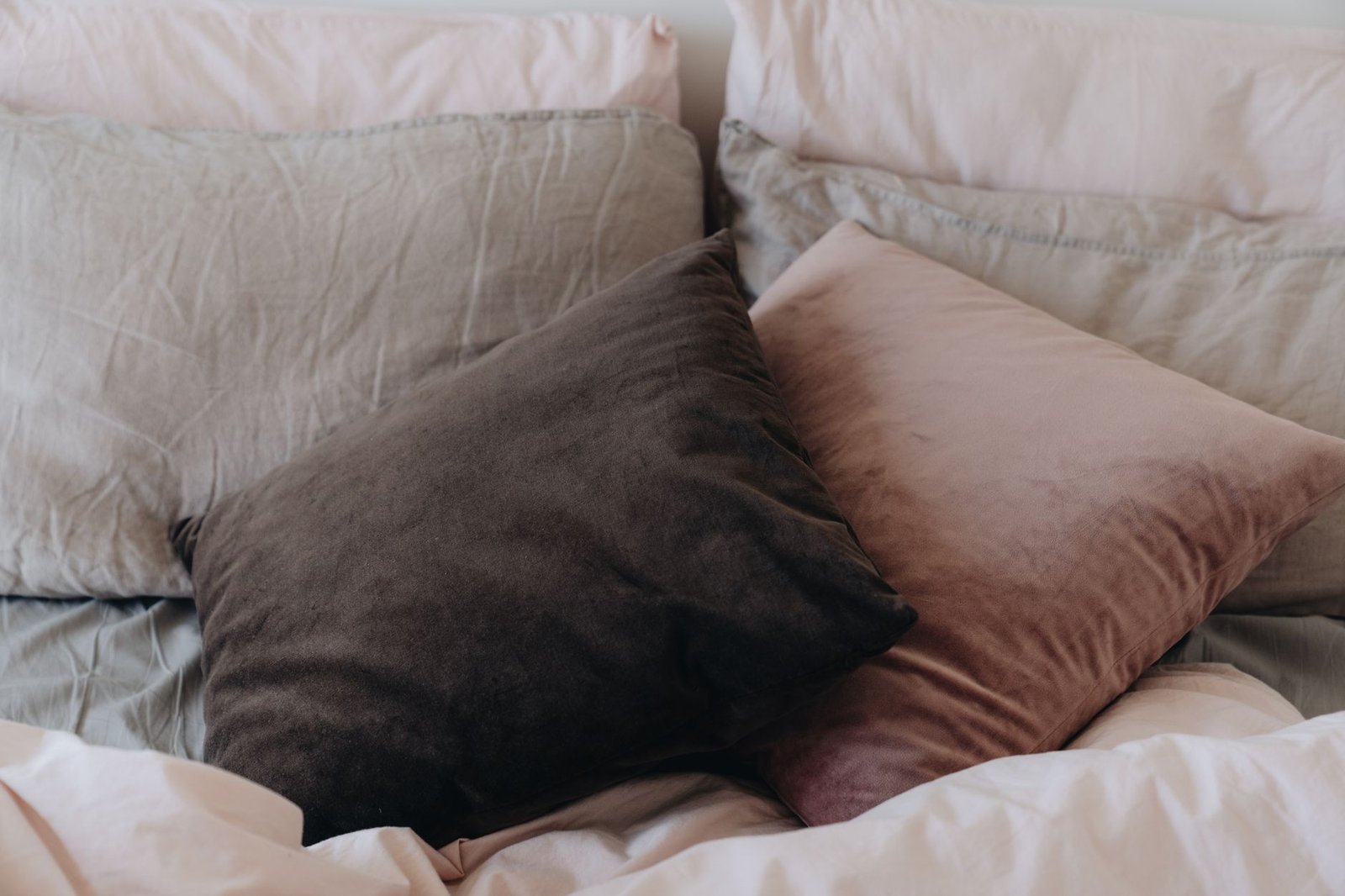
Velvet cushion covers transform a bed from functional to inviting in seconds. The pile catches light differently depending on the angle, creating depth that flat fabrics simply can’t match. There’s a reason velvet appears in nearly every boutique hotel bedroom.
The tactile appeal is immediate—velvet feels substantial, almost weighted, against your hands. This makes it particularly suited to bedrooms where you want that cocoon-like atmosphere during autumn and winter months. According to the Sleep Foundation’s bedroom environment guide, tactile comfort in soft furnishings can contribute to overall relaxation cues that support better sleep.
When Velvet Works Best
- Bedrooms with neutral walls that need a focal point
- Cooler climates or air-conditioned spaces
- Formal or romantic bedroom aesthetics
- Layering with crisp white bedding for contrast
Honest Velvet Drawbacks
Velvet shows every crease, pet hair strand, and water droplet. It’s not the fabric for households with curious cats or morning coffee-in-bed habits. The pile can also feel warm against skin during summer, which matters if your bedroom runs hot.
Linen Pillow Covers: Effortless Texture That Breathes
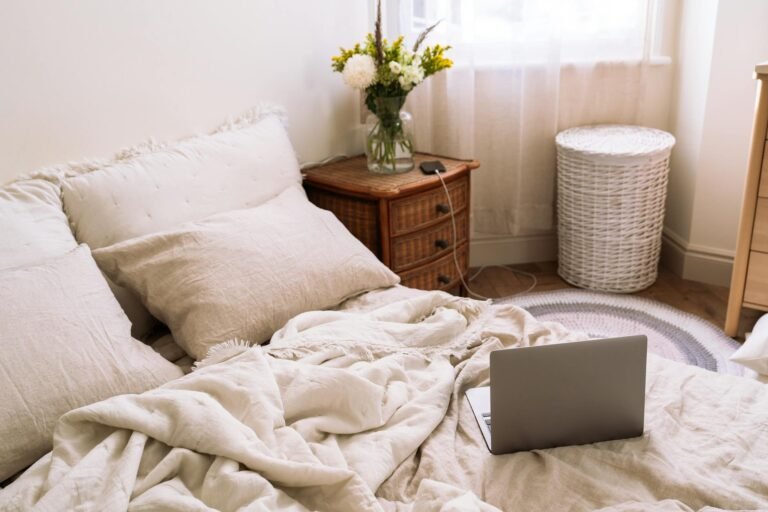
Linen pillow covers offer the opposite promise: a fabric that improves with washing, hides wrinkles as a design feature, and stays cool against the skin. The deliberately rumpled look reads as intentional rather than neglected.
For warm sleepers or anyone who keeps cushions on the bed while sleeping (no judgment—we all have our systems), linen’s breathability matters. It also softens significantly over time, developing that lived-in quality that velvet never quite achieves.
When Linen Works Best
- Minimalist or Scandinavian-inspired bedrooms
- Warm climates or south-facing rooms
- Households with pets or children
- Anyone who hates ironing (raises hand)
Honest Linen Drawbacks
Linen looks intentionally undone, which isn’t everyone’s preference. If you want a polished, hotel-crisp bed, pure linen may read as too casual. The initial texture can also feel slightly rough until it’s been washed several times.
Soft Furnishings Strategy: Why Mixing Both Works
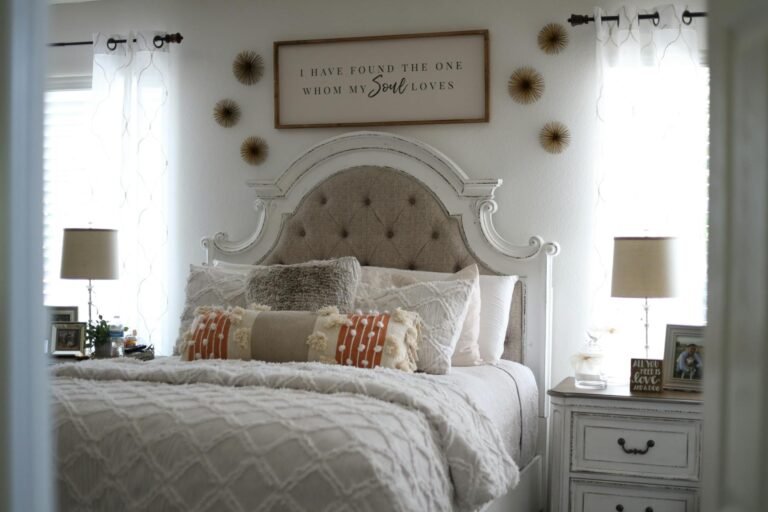
The most visually interesting bedrooms rarely commit to just one texture. A common interior styling approach places two velvet cushion covers at the back for depth, with two linen pillow covers in front for everyday touchability. This layering creates the kind of casual-but-considered look you see in design magazines.
If you’re refreshing your bedroom layering on a budget, investing in one set of quality inserts and two sets of covers—velvet for winter, linen for summer—gives you seasonal flexibility without storage headaches.
#1 Best Luxe Option for Cosy Bedrooms: Velvet Cushion Covers
Best for: Adding instant warmth to neutral bedrooms | Price: (check current retailer pricing) per cover | Why we picked it: Rich texture that photographs beautifully
Velvet cushion covers suit anyone craving that boutique-hotel feeling without a full bedroom renovation. They work particularly well on upholstered headboards, creating a tonal layering effect that makes the whole bed feel more intentional. Worth considering if your bedroom photography game needs a boost—velvet catches light in a way that reads as expensive in photos.
- ✓ Creates depth and visual interest on simple bedding
- ✓ Available in rich jewel tones and soft neutrals
- ✓ Hidden zipper closures keep the look clean
- ✗ Shows dust, pet hair, and water marks easily
Bottom line: Ideal for style-focused bedrooms in cooler climates or heavily air-conditioned homes. Expect to pay (check current retailer pricing) per quality cover, with sets offering better value.
Browse matching options on Amazon AU · Browse matching options on Amazon US
#2 Best Value Set for Refreshing Bedroom Style: Throw Pillow Covers Set of 4
Best for: Refreshing sofa styling without buying new cushions | Why we picked it: Seasonal updates without storage clutter
Four removable cushion covers in neutral linen tones offer an easy way to update your bedroom or living room seasonally without accumulating excess cushions. These sets typically include coordinating solids and subtle textures, making the mixing-and-matching work done for you. A practical option for renters or anyone who likes variety without commitment.
- ✓ Coordinated set takes the guesswork out of styling
- ✓ Machine washable for easy maintenance
- ✓ Flat-pack storage for off-season covers
- ✗ Quality varies widely—check fabric weight before buying
Bottom line: Perfect for refreshing your soft furnishings each season without buying new cushions entirely. Budget (check current retailer pricing) for a decent quality set of four.
Browse matching options on Amazon AU · Browse matching options on Amazon US
#3 Best Supporting Purchase for Any Cover: Cushion Inner Inserts
Best for: Making any cushion cover look properly plump | Price: (check current retailer pricing) per insert | Why we picked it: The invisible upgrade that makes everything else work
Here’s the unsexy truth about cushion styling: the most beautiful velvet or linen cover looks deflated on a flat, cheap insert. Quality cushion inner inserts—slightly larger than your cover size—create that professional overstuffed look. It’s the detail that separates Pinterest-worthy beds from “why doesn’t mine look like that” frustration.
- ✓ Size up 1-2 inches from cover for a plump finish
- ✓ Down-alternative fills offer luxury feel without allergens
- ✓ Quality inserts last through multiple cover changes
- ✗ Adds to the total cost when you’re just buying covers
Bottom line: Consider these essential if your current inserts have gone flat. Check the retailer for current pricing; or better value in multi-packs. Your covers will thank you.
Browse matching options on Amazon AU · Browse matching options on Amazon US
Caring for Velvet vs Linen: What Actually Matters
Linen pillow covers are genuinely low-maintenance—machine wash, tumble dry low, embrace the wrinkles. The fabric actually softens and improves with each wash cycle.
Velvet cushion covers require more attention. Most should be spot-cleaned or dry-cleaned to preserve the pile. Some polyester velvets are machine-washable on gentle cycles, but always check the care label first. Brushing velvet with a soft garment brush can restore flattened pile.
Which Should You Choose?
Choose velvet cushion covers if you want your bedroom to feel like a retreat—somewhere you sink into after a long day. They’re the better choice for cooler months, formal aesthetics, and anyone who prioritises visual luxury over practicality.
Choose linen pillow covers if you want texture that breathes, forgives, and improves with use. They suit warm sleepers, busy households, and anyone who wants their bedroom to feel relaxed rather than staged.
The smartest approach? Keep both options in rotation. A set of velvet for the darker months, a set of linen for spring and summer, and quality inserts that last through all of it.
Ready to start with velvet?
Browse matching options on Amazon AU · Browse matching options on Amazon US
Prefer linen’s easy-care appeal?
Browse matching options on Amazon AU · Browse matching options on Amazon US
| Product | Best For | Key Feature | Ideal Room | Check Price |
|---|---|---|---|---|
| Velvet Cushion Covers | Luxury aesthetic lovers | Light-catching pile texture | Cooler bedrooms | Browse matching options on Amazon AU · Browse matching options on Amazon US |
| Throw Pillow Covers Set of 4 | Seasonal style refreshers | Coordinated neutral set | Any bedroom or living room | Browse matching options on Amazon AU · Browse matching options on Amazon US |
| Cushion Inner Inserts | Anyone with flat cushions | Professional plump finish | Works with all covers | Browse matching options on Amazon AU · Browse matching options on Amazon US |
Frequently Asked Questions
What is the best cushion cover material for hot sleepers?
Linen is the best cushion cover material for hot sleepers because it’s naturally breathable and wicks moisture away from skin. Unlike velvet, which can feel warm and trap heat, linen stays cool to the touch even in warm bedrooms. The fabric also becomes softer with washing while maintaining its temperature-regulating properties.
Are velvet cushion covers hard to clean?
Velvet cushion covers require more careful cleaning than linen—most need spot-cleaning or professional dry-cleaning to preserve the pile texture. Some polyester velvet blends are machine-washable on gentle cycles, but always check the care label first. For minor dust and pet hair, a soft garment brush can restore the fabric between deeper cleans.
How many cushion covers do I need for a queen bed?
Most queen beds look well-styled with 4-6 decorative cushion covers arranged in layers. A typical arrangement uses two larger cushions (20-22 inches) at the back, two medium cushions (18 inches) in front, and optionally one or two lumbar or accent cushions. This creates depth without overwhelming the bed.
Can I mix velvet and linen cushion covers together?
Mixing velvet and linen cushion covers is actually a classic interior styling technique that adds visual interest through texture contrast. A common approach places velvet covers at the back for depth and drama, with linen covers in front for everyday touchability. Keep colours in the same family for a cohesive look.
What size cushion insert should I buy for my covers?
Buy cushion inserts 1-2 inches larger than your cover size for a properly plump, professional finish. For example, use 20-inch inserts with 18-inch covers. This overstuffing prevents the flat, deflated look that makes even expensive covers appear cheap.
When is the best time to buy cushion covers?
Do linen cushion covers wrinkle badly?
Linen cushion covers do wrinkle, but this is considered part of their intentional aesthetic rather than a flaw. The rumpled, relaxed look reads as effortlessly chic in most bedroom styles, particularly Scandinavian and coastal designs. If wrinkles bother you, a quick steam while covers are on the insert smooths them without ironing.
Are velvet or linen cushion covers better for pet owners?
Linen cushion covers are significantly better for pet owners because they don’t show pet hair as visibly as velvet and can be machine-washed regularly. Velvet’s pile traps fur and shows every strand, requiring frequent brushing or lint rolling. If you have shedding pets, save velvet for guest bedrooms they don’t access.
How do I make cheap cushion covers look expensive?
Three things make inexpensive cushion covers look premium: quality overstuffed inserts, hidden zipper closures, and colour coordination with your existing bedding. Even budget covers appear polished when properly filled and thoughtfully arranged. Focus your spending on inserts—they’re the invisible foundation that makes everything else work.
Whether you’re drawn to the sumptuous depth of velvet cushion covers or the easy elegance of linen pillow covers, the right soft furnishings transform your bedroom from a place you sleep to a sanctuary you actually want to spend time in. Start with what suits your climate and lifestyle, then layer in texture as your collection grows.