9 Dreamy Bedroom Plants for Sleep: Your Cozy Guide
Disclosure: As an Amazon Associate, I earn from qualifying purchases. This post may contain affiliate links, which means I may earn a small commission at no extra cost to you. I only recommend products I genuinely think could help you create a cozier home.
How to use this guide: Recommendations describe product types and buying considerations, not hands-on tests of a specific model. Search links show matching options in Australia and the US. Check the seller’s dimensions, materials, instructions and current pricing before buying. See our editorial approach.
The right bedroom plants for sleep do more than look pretty on your nightstand—they can genuinely help you breathe easier and drift off faster. Some release oxygen at night, others filter common indoor pollutants, and a few (like lavender) offer naturally calming scents. The trick is choosing varieties that thrive in bedroom conditions: low light, occasional watering, and forgiveness when you forget them for a week.
I’ve rounded up nine options that balance air-purifying potential with real-world practicality. Whether you want a dramatic fiddle leaf in the corner or a tiny pothos trailing from your bookshelf, there’s something here for every skill level and lighting situation.
Quick Takeaways
- Snake plants are the ultimate low-maintenance air purifier—perfect for forgetful waterers
- Lavender offers a natural sleep-promoting scent but needs bright light
- Peace lilies thrive in low light and filter toxins like formaldehyde
- Pothos trails beautifully and tolerates almost any condition
- Faux plants are a practical option if you lack natural light or travel frequently
Why Bedroom Plants Actually Help You Sleep
Bedroom plants improve sleep by filtering indoor air pollutants and, in some cases, releasing oxygen at night. NASA’s Clean Air Study identified several houseplants that remove volatile organic compounds (VOCs) like formaldehyde and benzene from indoor spaces. While you’d need a small jungle to dramatically change air quality, even a few plants can contribute to a fresher-feeling room. Beyond filtration, the simple presence of greenery has been linked to reduced stress and a greater sense of calm—both helpful when you’re trying to wind down.
The best indoor plants for bedroom use tend to share a few traits: they tolerate low light, don’t require constant attention, and won’t overwhelm a small space. Some, like snake plants and certain succulents, actually perform CAM photosynthesis—meaning they release oxygen at night rather than during the day. That’s a bonus for air quality while you sleep.
How to Choose Air Purifying Plants for Your Sleep Space
Start with your room’s natural light. North-facing or small windows? Stick with low-light champions like pothos, snake plants, or peace lilies. Bright, south-facing room? You’ve got more options, including lavender and succulents that crave sunshine. Consider your watering habits honestly—if you travel often or tend to forget plants exist, choose drought-tolerant varieties or a high-quality faux option that still brings visual calm without the guilt.
Size matters too. A large fiddle leaf fig makes a statement in a spacious primary bedroom, but a trailing pothos on a high shelf works better in a cozy guest room. And if you share your space with curious pets, check toxicity before bringing any plant home—peace lilies, for example, can irritate cats and dogs if chewed.
#1 Best Low-Maintenance Air Purifier: Snake Plant
Best for: Forgetful waterers who want cleaner air | Why we picked it: Releases oxygen at night, nearly impossible to kill
The snake plant is the undisputed champion of bedroom plants for sleep. It releases oxygen during nighttime hours and filters common indoor toxins like formaldehyde and benzene. Beyond its air-purifying credentials, it’s genuinely difficult to kill—thriving on neglect in a way that makes even brown-thumbed gardeners feel competent. The architectural, upright leaves add a modern touch without taking up much floor space.
- ✓ Releases oxygen at night through CAM photosynthesis
- ✓ Survives weeks without water—ideal for travellers
- ✓ Tolerates low light, though grows faster in bright indirect
- ✗ Mildly toxic to pets if ingested
Bottom line: If you want one air purifying plant for your bedroom and zero fuss, the snake plant is your answer. Check the retailer for current pricing;—worth it for years of low-maintenance greenery.
Browse matching options on Amazon AU · Browse matching options on Amazon US
#2 Best for Low-Light Bedrooms: Peace Lily Indoor Plant
Best for: Dark rooms needing elegant, flowering greenery | Why we picked it: Thrives in shade, filters toxins, blooms indoors
Peace lilies are one of the few flowering plants that genuinely thrive in low-light conditions, making them ideal for bedrooms with small or north-facing windows. They’re excellent air purifying plants—the NASA study specifically highlighted their ability to remove formaldehyde, benzene, and trichloroethylene. The glossy, arching leaves and occasional white blooms bring a quiet elegance to nightstands or dressers. They do droop dramatically when thirsty, which is actually helpful—think of it as a built-in watering reminder.
- ✓ One of the best plants for low-light rooms
- ✓ Produces elegant white blooms even indoors
- ✓ Clearly signals when it needs water (dramatic droop)
- ✗ Toxic to cats and dogs—keep out of reach
Bottom line: A peace lily brings both beauty and cleaner air to darker bedrooms. Expect to pay (check current retailer pricing) for a healthy specimen that will bloom for years with basic care.
Browse matching options on Amazon AU · Browse matching options on Amazon US
#3 Best Natural Sleep Scent: Lavender Pot Plant
Best for: Bright bedrooms craving calming fragrance | Why we picked it: Proven relaxation benefits, beautiful purple blooms
Lavender’s reputation as a sleep aid is well-earned—studies have shown its scent can lower heart rate and blood pressure, promoting relaxation before bed. A potted lavender plant on a sunny windowsill offers gentle fragrance whenever you brush past it or stir the air. The silvery-green foliage and purple flowers are undeniably pretty, though lavender does demand more attention than the typical bedroom plant: it needs at least six hours of direct sunlight and excellent drainage.
- ✓ Naturally calming scent linked to better sleep
- ✓ Beautiful purple flowers and silvery foliage
- ✓ Non-toxic to pets (a rare bonus)
- ✗ Requires bright, direct sunlight—won’t thrive in dim rooms
Bottom line: If your bedroom gets plenty of sun, lavender brings both visual charm and genuine aromatherapy benefits. Budget (check current retailer pricing) for a healthy plant that doubles as natural air freshener.
Browse matching options on Amazon AU · Browse matching options on Amazon US
#4 Best Trailing Plant: Trailing Pothos
Best for: High shelves, hanging planters, and beginners | Why we picked it: Cascading vines, nearly unkillable, excellent air purifier
Pothos is the gateway plant for good reason: it grows enthusiastically in almost any condition and looks stunning while doing it. The heart-shaped leaves cascade down from shelves or hanging planters, softening hard edges and adding life to vertical spaces. It’s an effective air purifier too, removing formaldehyde and other common indoor pollutants. For bedrooms with limited floor space, a trailing pothos on a high bookshelf or mounted planter keeps surfaces clear while still bringing green into your sleep space.
- ✓ Thrives in low light, bright light, and everything between
- ✓ Cascading vines perfect for high shelves or hanging planters
- ✓ Extremely forgiving of irregular watering
- ✗ Toxic to pets if chewed—place out of reach
Bottom line: Trailing pothos is ideal if you want lush greenery without sacrificing nightstand real estate. Check the retailer for current pricing; it’s one of the most affordable ways to transform a bedroom corner.
Browse matching options on Amazon AU · Browse matching options on Amazon US
#5 Best Statement Piece: Faux Plant Fiddle Leaf Fig
Best for: Zero-maintenance greenery in any lighting | Why we picked it: Realistic drama without watering, wilting, or fussing
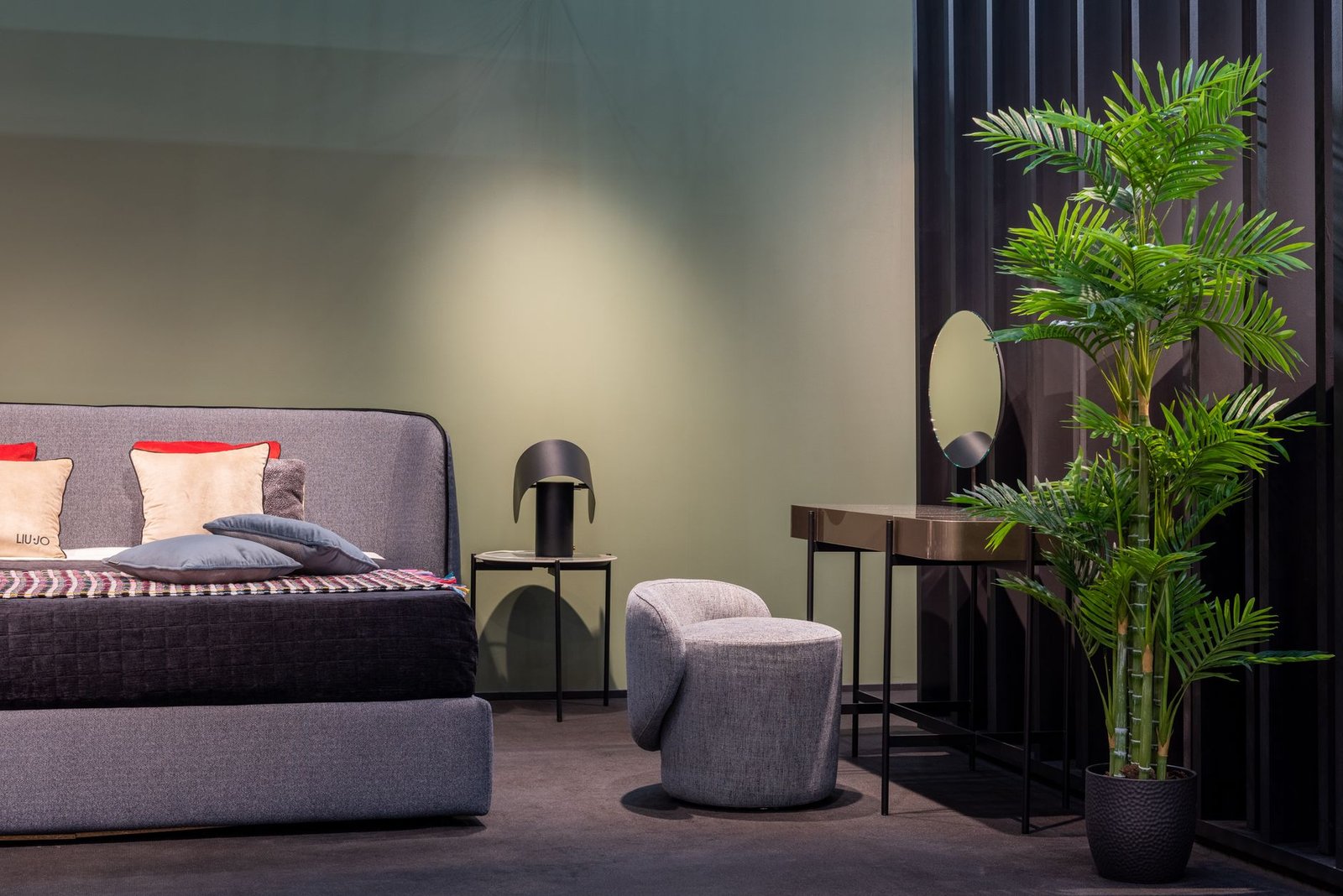
Real fiddle leaf figs are notoriously finicky—they sulk when moved, drop leaves at the slightest draft, and demand precise watering. A high-quality faux version gives you all the sculptural drama without any of the heartbreak. Modern artificial plants have come a long way; good ones feature realistic leaf textures, natural colour variation, and bendable stems for arranging. In a dim bedroom corner where a real fiddle leaf would slowly die, a faux one stays perpetually lush. No air-purifying benefits, obviously—but if your priority is aesthetic calm over botanical function, it’s a practical choice.
- ✓ Adds dramatic height and greenery to dark corners
- ✓ Zero watering, repotting, or pest problems
- ✓ Safe for pets—nothing toxic to worry about
- ✗ No air-purifying or oxygen-producing benefits
Bottom line: If you love the look of a statement plant but lack the light (or patience) for real ones, a quality faux fiddle leaf fig delivers visual warmth. Budget (check current retailer pricing) for a convincingly realistic version.
Browse matching options on Amazon AU · Browse matching options on Amazon US
#6 Best Compact Air Purifier: Spider Plant
Best for: Small spaces and hanging planters | Why we picked it: NASA-approved purifier, pet-safe, produces adorable babies
Spider plants are cheerful, resilient, and one of the few effective air purifying plants that are completely non-toxic to pets. Their arching, variegated leaves look lovely cascading from a hanging planter or perched on a high dresser. As they mature, they produce “babies”—small plantlets you can snip and propagate into new plants. It’s oddly satisfying. Spider plants remove formaldehyde and xylene from indoor air, and they thrive in the kind of inconsistent care most of us actually provide.
- ✓ Completely non-toxic to cats and dogs
- ✓ Produces baby plants you can share or propagate
- ✓ Tolerates low light and irregular watering
- ✗ Can look a bit scraggly if neglected too long
Bottom line: Spider plants are perfect for pet owners who want air-purifying greenery without worry. Check the retailer for current pricing; they’re budget-friendly and endlessly propagatable.
Browse matching options on Amazon AU · Browse matching options on Amazon US
#7 Best for Humidity: Boston Fern
Best for: Adding moisture and lush texture | Why we picked it: Natural humidifier, voluminous fronds, classic beauty
Boston ferns bring a cottage-garden softness to bedrooms with their feathery, arching fronds. They’re natural humidifiers—releasing moisture into the air as they transpire, which can help if your bedroom feels dry, especially in winter. They do require more attention than snake plants or pothos: consistent moisture, indirect light, and occasional misting. But if you’re willing to give them a little extra care, the payoff is a lush, voluminous plant that softens any corner beautifully.
- ✓ Releases moisture, naturally humidifying dry rooms
- ✓ Voluminous, feathery fronds add romantic texture
- ✓ Non-toxic to cats and dogs
- ✗ Needs consistent moisture—not for forgetful waterers
Bottom line: If your bedroom runs dry and you don’t mind a slightly needier plant, a Boston fern adds both humidity and beauty. Expect to pay (check current retailer pricing) for a full, healthy specimen.
Browse matching options on Amazon AU · Browse matching options on Amazon US
#8 Best Succulent for Sleep: Aloe Vera
Best for: Sunny windowsills and multi-purpose use | Why we picked it: Releases oxygen at night, useful gel, sculptural look
Aloe vera is another CAM plant that releases oxygen during nighttime hours, making it a solid bedroom plants for sleep choice. The thick, sculptural leaves look modern on a sunny windowsill, and the gel inside is genuinely useful for minor burns and skin irritation. Aloe needs bright light and infrequent watering—overwatering is the most common way to kill it. If your bedroom gets good sun and you want a plant that’s both beautiful and practical, aloe earns its spot on the nightstand.
- ✓ Releases oxygen at night like snake plants
- ✓ Gel inside is useful for minor skin irritations
- ✓ Sculptural, modern appearance
- ✗ Needs bright, direct light—won’t thrive in dim rooms
Bottom line: Aloe vera is a practical choice for sunny bedrooms—it improves nighttime air and offers built-in first aid. Check the retailer for current pricing;.
Browse matching options on Amazon AU · Browse matching options on Amazon US
#9 Best Tropical Statement: Rubber Plant
Best for: Adding bold, glossy foliage to medium-light rooms | Why we picked it: Dramatic leaves, excellent air purifier, moderate care needs
Rubber plants bring drama without the diva tendencies of fiddle leaf figs. Their large, glossy leaves—often deep burgundy or variegated—make a bold statement in bedroom corners. They’re effective air purifiers and adapt well to medium-light conditions, though they’ll grow faster with brighter indirect light. Rubber plants like to dry out slightly between waterings, making them forgiving if you miss a week. For those who want a substantial plant that won’t punish you for imperfect care, this is a reliable choice.
- ✓ Bold, glossy leaves in green, burgundy, or variegated
- ✓ Effective at filtering indoor air pollutants
- ✓ More forgiving than fiddle leaf figs
- ✗ Sap can irritate skin—wash hands after pruning
Bottom line: A rubber plant delivers statement-making foliage without constant fussing. Budget (check current retailer pricing) for a plant that will grow into an impressive specimen over time.
Browse matching options on Amazon AU · Browse matching options on Amazon US
Bedroom Plants Comparison Table
| Plant | Best For | Key Feature | Ideal Room | Check Price |
|---|---|---|---|---|
| Snake Plant | Forgetful waterers | Releases oxygen at night | Any bedroom | Browse matching options on Amazon AU · Browse matching options on Amazon US |
| Peace Lily | Low-light rooms | Blooms in shade | North-facing bedroom | Browse matching options on Amazon AU · Browse matching options on Amazon US |
| Lavender | Natural sleep scent | Calming aromatherapy | Sunny bedroom | Browse matching options on Amazon AU · Browse matching options on Amazon US |
| Trailing Pothos | High shelves, beginners | Cascading vines | Any room, any light | Browse matching options on Amazon AU · Browse matching options on Amazon US |
| Faux Fiddle Leaf Fig | Zero maintenance | Realistic drama | Dark corners | Browse matching options on Amazon AU · Browse matching options on Amazon US |
| Spider Plant | Pet owners | Completely non-toxic | Hanging planter | Browse matching options on Amazon AU · Browse matching options on Amazon US |
| Boston Fern | Dry room humidity | Natural humidifier | Bathroom or bedroom | Browse matching options on Amazon AU · Browse matching options on Amazon US |
| Aloe Vera | Sunny rooms, multi-use | Useful healing gel | South-facing bedroom | Browse matching options on Amazon AU · Browse matching options on Amazon US |
| Rubber Plant | Statement foliage | Bold, glossy leaves | Medium-light bedroom | Browse matching options on Amazon AU · Browse matching options on Amazon US |
Frequently Asked Questions
What is the best bedroom plant for sleep?
Snake plants are the best bedroom plants for sleep because they release oxygen at night through CAM photosynthesis while filtering indoor air pollutants. They’re also nearly impossible to kill, thriving in low light and tolerating weeks without water. For those with bright bedrooms, lavender offers proven aromatherapy benefits that promote relaxation.
Which air purifying plants are safe for pets?
Spider plants and Boston ferns are completely non-toxic to cats and dogs while still offering air-purifying benefits. Lavender is also pet-safe. Avoid peace lilies, pothos, and snake plants if you have curious pets who might chew on leaves—these can cause irritation if ingested.
Do bedroom plants really improve air quality?
Bedroom plants can help filter certain indoor pollutants like formaldehyde and benzene, though the effect is modest in typical home conditions. NASA’s Clean Air Study confirmed their air-cleaning abilities, but you’d need many plants to dramatically change air quality. The psychological benefits of greenery—reduced stress, increased calm—may be equally important for better sleep.
What bedroom plants release oxygen at night?
Snake plants, aloe vera, and certain other succulents release oxygen at night through a process called CAM photosynthesis. Most plants release oxygen during the day and carbon dioxide at night, but these varieties reverse the pattern. This makes them ideal choices for bedrooms where you want cleaner air while you sleep.
How many plants should I have in my bedroom?
Start with two or three plants of varying sizes—perhaps a floor plant in a corner, a medium plant on a dresser, and a trailing variety on a high shelf. This creates visual interest without overwhelming the space. If you’re new to plant care, begin with one low-maintenance option like a snake plant or pothos before expanding your collection.
Can bedroom plants cause allergies or mould?
Overwatered plants can develop mould in their soil, which may trigger allergies in sensitive individuals. To prevent this, allow soil to dry between waterings, ensure pots have drainage holes, and avoid letting water sit in saucers. If allergies are a concern, consider faux plants or varieties like snake plants that need minimal watering.
What’s the best plant for a bedroom with no windows?
No natural light makes real plants challenging, but pothos and snake plants can survive in very low light conditions for extended periods. They won’t thrive, but they’ll persist. For truly windowless rooms, a high-quality faux plant is the most practical option—you get the visual calm of greenery without the inevitable decline of light-starved plants.
When is the best time to buy bedroom plants?
Spring and early summer are ideal for buying houseplants, as they’re entering their active growing season and will establish more easily. Many garden centres and online retailers offer sales during this period. Avoid buying outdoor plants during winter shipping, as cold temperatures during transit can damage tropical varieties.
How do I care for bedroom plants in winter?
Most bedroom plants need less water in winter because growth slows and lower temperatures reduce evaporation. Move plants away from cold drafts near windows and consider grouping them together to increase humidity. If your home has forced-air heating, occasional misting or a small humidifier can help prevent dry, crispy leaves.
Adding bedroom plants for sleep is one of those small changes that makes your space feel noticeably more alive—and potentially helps you breathe a little easier at night. Whether you go with a trusty snake plant, a trailing pothos on a high shelf, or a dramatic faux fiddle leaf in the corner, you’re creating a room that feels more like a sanctuary. Start with one plant that matches your light and watering habits, and build from there. Your bedroom (and your lungs) will thank you.
Featured image: Photo by Max Vakhtbovych on Pexels