How to Layer Rugs: 9 Essential Tips for a Stunning Look
Disclosure: As an Amazon Associate, I earn from qualifying purchases. This post may contain affiliate links, which means I may earn a small commission at no extra cost to you. I only recommend products I genuinely think could help you create a cozier home.
How to use this guide: Recommendations describe product types and buying considerations, not hands-on tests of a specific model. Search links show matching options in Australia and the US. Check the seller’s dimensions, materials, instructions and current pricing before buying. See our editorial approach.
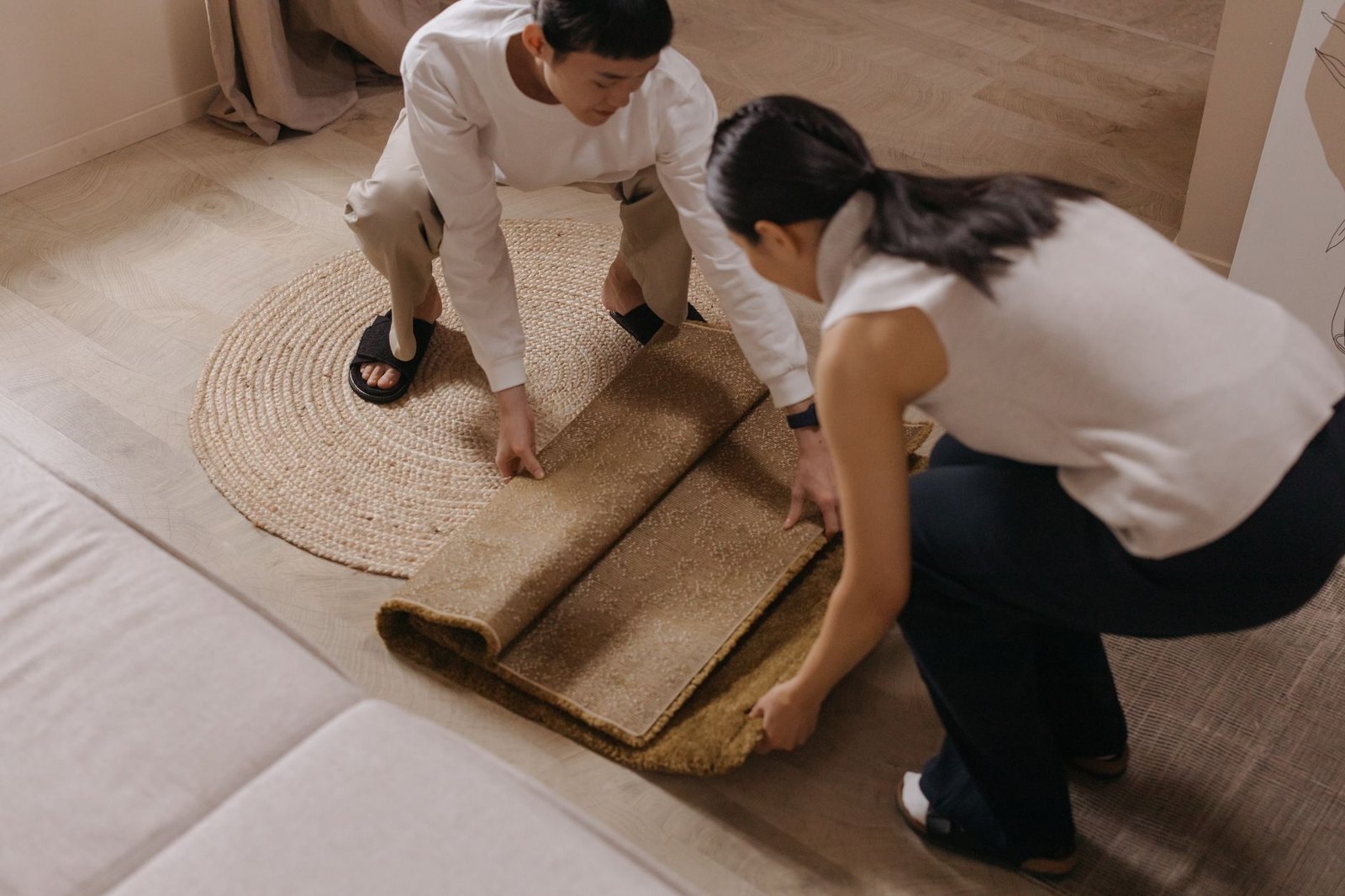
The secret to how to layer rugs successfully comes down to three things: contrasting textures, intentional size differences, and anchoring at least one rug under your furniture. That’s it. Once you understand these basics, you can create that effortlessly collected look that makes a room feel both curated and lived-in—without spending a fortune on one massive rug.
Quick Summary: Rug Layering Essentials
- Size ratio matters: Your top rug should be 40-60% the size of the base rug
- Texture contrast is key: Pair flat-weave with plush, or jute with soft cotton
- Anchor to furniture: At least one rug should sit under your main furniture piece
- Use rug pads: Non-slip pads prevent bunching and extend rug life
- Stick to 2-3 patterns max: Mix one busy pattern with neutrals or solids
Why Layering Rugs Works So Well in Living Rooms
Layering rugs in a living room creates visual depth and warmth that a single rug simply cannot achieve. The rug on rug look adds dimension to flat floors, defines conversation areas, and lets you introduce pattern or colour without committing to one overwhelming statement piece. It’s also surprisingly practical—you can layer a smaller, washable rug in high-traffic zones while protecting a larger investment piece underneath.
There’s a reason interior designers have relied on this technique for decades. It allows you to mix textures (the rough warmth of jute against the softness of wool), play with scale, and create that “collected over time” aesthetic that makes a space feel genuinely personal rather than catalogue-perfect.
Getting the Size Ratio Right
The top rug should cover approximately 40-60% of the base rug’s surface area. This creates enough visual breathing room while still showing off both layers. If your base rug is 8′ x 10′, aim for a top rug around 5′ x 7′ or 4′ x 6′. Too close in size and they’ll compete; too small and the top rug looks like an afterthought.
For layering rugs in a living room, position the smaller rug to anchor your seating area—typically with the front legs of your sofa resting on it. The larger base rug should extend under all major furniture pieces, creating a cohesive foundation that ties the room together.
Size Pairing Suggestions
- Large living room: 9′ x 12′ base + 6′ x 9′ top rug
- Medium living room: 8′ x 10′ base + 5′ x 7′ top rug
- Small living room: 6′ x 9′ base + 4′ x 6′ top rug
- Bedroom: 8′ x 10′ base + 3′ x 5′ at bedside
Jute Rug Layering Tips: The Perfect Neutral Base
Jute rugs are the workhorse of rug layering because their natural, textured surface complements virtually any top rug you place over them. The organic weave adds warmth without visual noise, making jute ideal as a base layer. These jute rug layering tips will help you get the most from this classic pairing.
When choosing a jute base, look for tightly woven construction—looser weaves can snag on furniture legs and show wear quickly. Consider a jute-cotton blend for slightly softer texture underfoot. The natural variations in jute fibres mean minor imperfections are part of the charm, not flaws.
What to Layer Over Jute
- Vintage or Oriental rugs: The contrast between ornate patterns and natural jute is stunning
- Solid-coloured wool rugs: Creates sophisticated tonal depth
- Moroccan or geometric prints: Modern patterns pop against organic texture
- Cowhide or sheepskin: Adds luxe texture contrast (though sheepskin works best in low-traffic spots)
Avoid layering another natural fibre rug like seagrass or sisal over jute—they’re too similar in texture and the effect falls flat.
Mastering Texture and Pattern Combinations
The most successful rug layers contrast in texture while maintaining colour harmony. Pair rough with smooth, matte with sheen, flat-weave with pile. This creates tactile interest that you can actually feel when walking across the room—it’s the difference between a space that looks styled and one that feels genuinely inviting.
For pattern mixing, follow the rule of three: one bold pattern, one subtle pattern or solid, and one textured neutral. If your top rug has a busy geometric print, keep the base rug solid or subtly textured. If you’re layering over a vintage Persian rug you already own, choose a simple jute or sisal base that won’t compete.
Winning Texture Combinations
| Base Rug Texture | Top Rug Texture | Overall Effect |
|---|---|---|
| Jute or sisal (rough) | Wool pile (soft) | Cozy and grounded |
| Flat-weave cotton | Shaggy or high-pile | Modern and textural |
| Neutral woven | Printed or patterned | Bold focal point |
| Low-pile synthetic | Faux hide or sheepskin | Luxe and layered |
Placement Techniques That Actually Work
Centre placement works for traditional, symmetrical rooms—simply centre the top rug over the base so equal borders show on all sides. This is the safest approach for formal living rooms or when you want a polished, intentional look.
Angled placement adds energy and movement. Rotate the top rug 15-30 degrees off-axis from the base rug. This works brilliantly in casual spaces, bohemian-style rooms, or when you want to break up a rectangular room’s rigid lines. Just ensure the angle looks deliberate, not accidental.
For layering rugs in a living room with sectional sofas, position the top rug so it anchors the seating area while the base extends under the entire sectional footprint. The Architectural Digest layering guide recommends leaving 6-12 inches of base rug visible around all edges for the most balanced proportion.
Practical Essentials: Keeping Layers in Place
Layered rugs will slip, bunch, and migrate without proper anchoring. This isn’t optional—it’s the difference between a magazine-worthy look and a safety hazard. Use a non-slip rug pad cut to fit the base rug, and consider a second smaller pad between the two rug layers in high-traffic areas.
For hard floors, a cushioned rug pad also adds comfort underfoot and protects your floors from scratches. On carpet, use a thin rubber mesh pad instead—thick cushioned pads will make the layered rugs feel unstable.
Rugs Worth Considering for Your Layered Look
#1 Best Neutral Base for Layering Rugs Living Room: Large Woven Cotton Rug
Best for: Anchoring living rooms with natural warmth | Why we picked it: Handwoven texture that pairs with any top rug
A handwoven cotton-jute rug in neutral tones creates the ideal foundation for layering. The subtle texture adds visual interest without competing with patterned top rugs, and the natural fibres bring organic warmth to both modern and traditional spaces. Worth considering if you want a base rug that works across seasonal decor changes.
- ✓ Neutral tones complement any colour palette
- ✓ Durable enough to handle furniture weight
- ✓ Reversible construction doubles the lifespan
- ✗ May shed initially during first few weeks
Bottom line: Ideal for anyone building a layered look from scratch. Check the retailer for current pricing; it’s an accessible foundation that elevates whatever you place on top.
Browse matching options on Amazon AU · Browse matching options on Amazon US
#2 Best Statement Layer for a Rug on Rug Look: Printed Area Rug
Best for: Adding pattern and personality as a top layer | Why we picked it: Bold prints that pop over neutral bases
A printed area rug transforms a layered arrangement from merely textured to genuinely eye-catching. Whether you prefer vintage-inspired florals, geometric patterns, or abstract designs, this is where you inject personality into your rug on rug look. The key is choosing a print that references colours elsewhere in your room—a throw pillow shade or curtain accent.
- ✓ Creates instant focal point in any room
- ✓ Low-pile construction won’t overwhelm the base layer
- ✓ Easy to swap seasonally for fresh looks
- ✗ Bold patterns may limit future decor changes
Bottom line: Perfect for renters or anyone who loves to refresh their space regularly. Check the retailer for current pricing; you can experiment with pattern without a major commitment.
Browse matching options on Amazon AU · Browse matching options on Amazon US
#3 Best for Entryways and Hallways: Cotton Rug Runner
Best for: Layering in narrow spaces or as accent pieces | Why we picked it: Versatile runner shape unlocks creative layering
Runners aren’t just for hallways—they’re the secret weapon for creative rug layering. Place a runner perpendicular across a larger rug to define a reading nook, layer at the foot of a bed over a larger bedroom rug, or use in front of a fireplace as an accent. Cotton runners are machine-washable, making them practical for high-traffic layering spots.
- ✓ Machine-washable for easy maintenance
- ✓ Creates unexpected visual interest when layered
- ✓ Budget-friendly entry point for rug layering
- ✗ Narrow width limits placement options
Bottom line: A practical option for anyone starting to experiment with layering rugs. Check the retailer for current pricing; runners let you test the technique without redesigning an entire room.
Browse matching options on Amazon AU · Browse matching options on Amazon US
#4 Best for Preventing Slips: Non-Slip Rug Pad
Best for: Keeping layered rugs safely anchored | Why we picked it: Essential for any layered rug arrangement
Honestly, this is the least glamorous recommendation here—but it’s arguably the most important. A quality non-slip rug pad prevents dangerous bunching, protects your floors, and adds cushioning that makes your layered rugs feel more luxurious underfoot. Cut one to fit your base rug, and consider a smaller one between layers for heavily trafficked areas.
- ✓ Prevents slipping and bunching between layers
- ✓ Adds cushioning for comfort underfoot
- ✓ Protects floors from scratches and friction
- ✗ Must be trimmed to size (minor inconvenience)
Bottom line: Non-negotiable for safe, beautiful rug layering. Check the retailer for current pricing; it’s the cheapest insurance for your layered look—and your ankles.
Browse matching options on Amazon AU · Browse matching options on Amazon US
Common Rug Layering Mistakes to Avoid
Even with the best intentions, certain missteps can undermine your layered look. Here’s what to watch for:
- Matching textures too closely: Jute over sisal looks muddy. Contrast is everything.
- Ignoring colour temperature: Cool-toned greys layered over warm beiges create visual discord.
- Choosing equal-sized rugs: Without clear size hierarchy, the effect looks accidental.
- Skipping the rug pad: Bunching and slipping will ruin even the most beautiful combination.
- Over-layering: Three rugs is almost always too many. Stick to two layers maximum.
- Forgetting furniture anchoring: At least one rug must connect to your seating or bed.
Rug Layering for Different Rooms
Living Room
Layering rugs in a living room works best when the base rug is large enough to anchor your sofa and at least one additional chair. Position the smaller top rug to define the conversation area—typically with the coffee table centred on it. This creates zones within an open-plan space without walls.
Bedroom
Layer a smaller, plush rug at your bedside over a larger flat-weave base that extends under the bed. Your feet land on the softer top layer each morning, while the base rug grounds the entire sleeping area. According to the Sleep Foundation, soft textures underfoot contribute to a calming bedroom environment.
Entryway
Layer a durable, washable runner over a hard-wearing jute base. The top layer catches dirt and can be easily cleaned, while the base adds warmth and protects flooring. Consider a small bench or console anchored partially on the base rug to tie the arrangement together.
| Product | Best For | Key Feature | Ideal Room | Check Price |
|---|---|---|---|---|
| Large Woven Cotton Rug | Neutral base layer | Handwoven texture | Living room, bedroom | Browse matching options on Amazon AU · Browse matching options on Amazon US |
| Printed Area Rug | Statement top layer | Bold pattern options | Living room, office | Browse matching options on Amazon AU · Browse matching options on Amazon US |
| Cotton Rug Runner | Narrow spaces | Machine-washable | Entryway, hallway | Browse matching options on Amazon AU · Browse matching options on Amazon US |
| Non-Slip Rug Pad | Safety essential | Prevents bunching | All rooms | Browse matching options on Amazon AU · Browse matching options on Amazon US |
Frequently Asked Questions
What is the best base rug for layering within your chosen budget?
A handwoven jute or cotton-blend rug offers the best value as a layering base within your chosen budget These natural-fibre rugs provide neutral texture that complements virtually any patterned top rug while remaining durable enough for high-traffic areas. Look for sizes around 8′ x 10′ for living rooms.
Can I layer a printed rug over another printed rug?
You can, but it’s tricky to execute well. If layering two printed rugs, ensure they’re vastly different in scale—a large-scale geometric base with a small-scale floral top, for example. They should also share at least one common colour to create cohesion rather than chaos.
How do I keep layered rugs from slipping?
Use a non-slip rug pad under your base rug, cut to size. For extra security between the two rug layers, add a thin rubber mesh pad or use carpet tape at the corners. This is especially important on hard floors and in homes with children or elderly residents.
What size top rug should I use for layering?
Your top rug should cover approximately 40-60% of the base rug’s surface area. This ratio ensures both rugs remain visible while creating deliberate visual hierarchy. For an 8′ x 10′ base, a 5′ x 7′ or 4′ x 6′ top rug works beautifully.
Is layering rugs a good idea for small rooms?
Layering can actually make small rooms feel larger when done thoughtfully. Use a base rug that extends to the walls to visually expand the floor space, then add a smaller accent rug to define a seating area. Stick to lighter colours and avoid overwhelming patterns.
When is the best time to buy rugs for layering?
Can I layer rugs on carpet?
Yes, layering rugs on carpet works well with the right approach. Use a thin rubber mesh pad rather than thick cushioned padding, which can make the arrangement feel unstable. Opt for flat-weave or low-pile rugs that won’t create excessive height differences from the surrounding carpet.
What textures should I avoid layering together?
Avoid pairing textures that are too similar—jute over sisal, shag over shag, or two flat-weave rugs will lack visual interest. Also skip layering rugs with dramatically different pile heights in high-traffic areas, as this creates tripping hazards and uneven wear.
How do I clean layered rugs?
Vacuum each rug separately by lifting the top layer periodically. For deeper cleaning, separate the layers completely—most cotton and synthetic top rugs can be machine-washed, while natural fibre bases benefit from professional cleaning once a year. Spot-clean spills immediately to prevent seepage between layers.
Learning how to layer rugs opens up endless possibilities for refreshing your space without major renovations. Start with a quality neutral base, add a top rug that speaks to your style, and don’t forget that all-important rug pad. Once you’ve mastered the basics, you’ll find yourself rearranging and experimenting—which is exactly the point. A layered rug look should evolve with your space, your seasons, and your mood.
Featured image: Photo by cottonbro studio on Pexels