9 Stunning Faux Plants for Low-Light Living Rooms
Disclosure: As an Amazon Associate, I earn from qualifying purchases. This post may contain affiliate links, which means I may earn a small commission at no extra cost to you. I only recommend products I genuinely think could help you create a cozier home.
How to use this guide: Recommendations describe product types and buying considerations, not hands-on tests of a specific model. Search links show matching options in Australia and the US. Check the seller’s dimensions, materials, instructions and current pricing before buying. See our editorial approach.
That shadowy corner by your bookshelf has been taunting you for months. You’ve tried real plants there—a pothos that turned yellow, a snake plant that somehow still managed to die—and now you’re ready to embrace what many of us have quietly accepted: the best faux plants for low light spaces look just as gorgeous as the real thing, minus the guilt spiral every time you forget to water.
The secret is finding realistic faux plants that don’t scream “plastic” from across the room. The best fake plants for your living room have varied leaf textures, natural colour gradients, and stems that bend convincingly. They’re the ones your guests reach out to touch, then look slightly embarrassed when they realise.
Quick Takeaways
- Faux plants for low light eliminate the impossible task of keeping real greenery alive in dim corners
- Look for varied leaf colours and bendable stems—uniformity screams artificial
- Trailing varieties like pothos add movement without needing window proximity
- Quality faux plants typically last 5-10 years with occasional dusting
- Mix heights and textures for the most natural-looking arrangement
Why Faux Plants Work Brilliantly in Low-Light Rooms
Artificial plants thrive in conditions that would kill their living counterparts within weeks. North-facing rooms, basement apartments, interior hallways—these challenging spaces become opportunities rather than limitations when you’re working with quality faux greenery.
Real plants in low-light conditions grow leggy, lose colour, and eventually give up entirely. According to the Encyclopedia Britannica’s guide on photosynthesis, most houseplants need at least 6 hours of indirect light daily—a benchmark many living rooms simply can’t meet. Realistic faux plants sidestep this entirely.
The psychological benefits remain identical. Research suggests that simply viewing greenery—real or artificial—reduces stress and improves mood. Your brain doesn’t check for soil moisture.
What Makes a Faux Plant Look Realistic
The difference between a convincing faux plant and an obvious fake comes down to three details: colour variation, texture, and imperfection.
Quality artificial plants feature leaves with subtle gradients—darker centres fading to lighter edges, slight yellowing where a real leaf might age. Uniform, saturated green screams artificial. The best options also include visible “veins” and slight textural variations that catch light naturally.
Imperfection matters enormously. Real plants have bent leaves, slight asymmetry, and the occasional brown edge. The most realistic faux plants embrace this messiness rather than presenting suspiciously perfect specimens. When arranging your cozy living room, mix these varied textures for maximum impact.
#1 Best Statement Piece for Dark Corners: Faux Plant Fiddle Leaf Fig
Best for: Adding height to empty corners | Why we picked it: Dramatic scale without drama-queen care needs
The fiddle leaf fig became Instagram’s favourite plant precisely because of those gorgeous, oversized leaves—and then became Instagram’s most-mourned plant because keeping one alive requires near-psychic attunement to its needs. A faux version delivers the same sculptural impact without the emotional rollercoaster.
Look for versions with multiple stem heights and leaves that vary in size and colour saturation. The trunk should have realistic bark texture, not smooth plastic. Position yours in that corner that gets perhaps an hour of indirect light daily—exactly where a real fiddle leaf would stage a dramatic decline.
- ✓ Adds instant vertical drama to low-light corners
- ✓ Multiple trunk styles available from bushy to tree-form
- ✓ No finicky watering schedule or humidity requirements
- ✗ Larger sizes require sturdy weighted bases to prevent tipping
Bottom line: If you want the fiddle leaf aesthetic without becoming a plant nurse, this is your answer. Check the retailer for current pricing; depending on height, with 5-6 foot versions offering the best visual impact.
Browse matching options on Amazon AU · Browse matching options on Amazon US
#2 Best Trailing Option for Shelves: Artificial Trailing Pothos
Best for: Cascading greenery on high shelves | Why we picked it: Natural draping movement even in still air
Real pothos earned its “devil’s ivy” nickname for being nearly unkillable—yet plenty of us have managed to kill it anyway. A trailing faux pothos captures that beloved cascading habit without requiring any of the indirect light that even this forgiving plant technically needs.
The best artificial trailing pothos features heart-shaped leaves in varying sizes with that characteristic mix of green and cream variegation. Drape it across bookshelf tops, let it trail from wall-mounted planters, or wind it along curtain rods. The effect is instantly cozy and refreshingly low-maintenance.
- ✓ Creates beautiful cascading effect from any height
- ✓ Variegated versions add visual interest beyond solid green
- ✓ Flexible stems can be arranged and rearranged easily
- ✗ Very cheap versions have obviously shiny, plastic-looking leaves
Bottom line: Perfect for adding that trailing, romantic greenery to shelves and mantels in dim rooms. Check the retailer for current pricing; for quality versions with realistic leaf texture.
Browse matching options on Amazon AU · Browse matching options on Amazon US
#3 Best Tropical Statement for No-Light Spaces: Faux Monstera Plant
Best for: Bold tropical vibes in any lighting | Why we picked it: Those iconic split leaves work anywhere
The monstera’s Swiss-cheese leaf pattern became a decor phenomenon precisely because it’s so visually striking—those natural fenestrations catch light beautifully and add architectural interest to any space. A quality faux monstera delivers that impact in rooms where a real one would struggle.
Position a faux monstera beside your reading nook or in that awkward gap between furniture pieces. Look for versions where the splits in each leaf vary—real monsteras don’t produce uniform perforations. The stems should feel sturdy enough to hold leaves upright without drooping.
- ✓ Instantly recognizable, design-forward aesthetic
- ✓ Large leaves create significant visual impact quickly
- ✓ Works in planters, vases, or as single stems in bud vases
- ✗ Dust shows easily on those large, flat leaf surfaces
Bottom line: Ideal if you want that trendy tropical look in a space that couldn’t sustain it otherwise. Check the retailer for current pricing; for a convincing multi-stem arrangement.
Browse matching options on Amazon AU · Browse matching options on Amazon US
#4 Best Vacation Vibes for Dim Rooms: Realistic Faux Palm
Best for: Resort-style ambiance year-round | Why we picked it: Brings warmth to cold, dark winter rooms
Real palms are surprisingly fussy about light, temperature, and humidity—most will turn brown and crispy in the average low-light living room by February. A realistic faux palm lets you maintain that breezy, vacation-inspired atmosphere without becoming a full-time palm therapist.
The most convincing artificial palms have fronds with slight colour variation—some deeper green, some with hints of yellow. Areca palms work beautifully in corners, while smaller parlour palm styles suit side tables and consoles. Either brings that effortless warmth to spaces that desperately need it.
- ✓ Creates instant resort-style atmosphere in any room
- ✓ Available in sizes from tabletop to 6+ feet tall
- ✓ Feathery fronds soften hard architectural lines
- ✗ Larger versions require significant floor space
Bottom line: Worth considering if you want that relaxed, tropical energy without the humidity demands. Check the retailer for current pricing; and frond density.
Browse matching options on Amazon AU · Browse matching options on Amazon US
Styling Tips for Realistic Faux Plants
The key to convincing faux plant arrangements is breaking up uniformity. Real plant collections feature varying heights, leaf shapes, and pot styles—your artificial collection should too.
Mix your faux plants with real ones where possible. A trailing pothos beside your hardiest real succulent creates doubt in visitors’ minds about which is which. Similarly, using beautiful ceramic or woven planters rather than the plastic pots many faux plants arrive in immediately elevates the look.
Rotate your faux plants seasonally, just as you would living ones. Moving a palm from winter hibernation by the fireplace to summer prominence near the window creates that natural rhythm even when the plants themselves don’t change.
Maintaining Your Faux Plants
Quality artificial plants require minimal but regular maintenance to look their best. Dust accumulates on broad leaves especially—a quick monthly wipe with a damp microfibre cloth prevents that telltale dusty sheen that screams “fake.”
For silk plants or those with delicate textures, a cool hairdryer on low setting works brilliantly to remove dust without risking damage. Some people swear by taking larger faux plants outside for a gentle spray with the garden hose annually—just ensure they dry completely before returning indoors.
Avoid placing faux plants in direct sunlight for extended periods. While they won’t wilt, prolonged UV exposure can fade colours over time. That dark corner you’re decorating is actually ideal for longevity.
| Product | Best For | Key Feature | Ideal Room | Check Price |
|---|---|---|---|---|
| Faux Fiddle Leaf Fig | Statement corners | Dramatic vertical height | Living room corners | Browse matching options on Amazon AU · Browse matching options on Amazon US |
| Artificial Trailing Pothos | Shelf cascading | Natural draping movement | Bookshelves, mantels | Browse matching options on Amazon AU · Browse matching options on Amazon US |
| Faux Monstera Plant | Tropical statement | Iconic split-leaf design | Reading nooks, offices | Browse matching options on Amazon AU · Browse matching options on Amazon US |
| Realistic Faux Palm | Vacation ambiance | Feathery, softening fronds | Bright or dark corners | Browse matching options on Amazon AU · Browse matching options on Amazon US |
Frequently Asked Questions
What is the most realistic faux plant for a living room?
A faux fiddle leaf fig or monstera typically offers the most realistic appearance due to their large, distinctive leaves. Look for versions with varied leaf colours, visible veining, and natural imperfections—uniformly perfect specimens always look artificial.
Can fake plants look good in dark corners?
Absolutely—dark corners are actually ideal for faux plants because they eliminate the main challenge real plants face in these spaces. Without light requirements to worry about, you can choose based purely on aesthetics. The slightly muted lighting often makes quality faux plants more convincing, not less.
What is the best faux plant for low light within your chosen budget?
Artificial trailing pothos offers excellent value within your chosen budget with realistic variegation and natural draping that suits shelves, mantels, and hanging planters. Small faux snake plants and ZZ plants also fall within this budget and look convincingly real in dim spaces.
How do you make fake plants look more real?
Use quality ceramic or woven planters instead of plastic pots, add real moss or decorative stones around the base, and mix faux plants with real ones nearby. Slight imperfection helps—bend a few leaves, vary heights, and arrange stems asymmetrically rather than perfectly spaced.
Do faux plants fade over time?
Quality artificial plants can last 5-10 years without significant fading if kept away from direct sunlight. UV exposure gradually dulls colours, so low-light placement actually extends their lifespan. Occasional dusting prevents that dusty, neglected look that ages faux plants prematurely.
When is the best time to buy artificial plants?
Are expensive faux plants worth it?
Mid-range faux plants ( (check current retailer pricing) for medium sizes) typically offer the best value, with realistic details that budget options lack. Very expensive options may use higher-quality materials that justify the cost for visible placement, while budget versions work fine for high shelves or background arrangements.
How do you clean artificial plants without damaging them?
A damp microfibre cloth works for most smooth leaves, while a cool hairdryer on low setting removes dust from delicate silk or feathered textures. For thorough cleaning, some faux plants can be taken outside for gentle hosing, though ensure complete drying before returning indoors.
Can you mix real and fake plants together?
Mixing real and faux plants is actually one of the best styling strategies available. Position a hardy real succulent beside a faux trailing pothos, or anchor a faux fiddle leaf fig with smaller real plants at its base. The combination creates visual doubt that makes your entire arrangement more convincing.
Low-light living rooms deserve greenery just as much as sun-drenched spaces—perhaps more so, given how much we crave life and colour in dim corners. The best faux plants for low light bring that botanical energy without the heartbreak of watching another real plant struggle. Whether you choose a dramatic fiddle leaf fig for an empty corner or trailing pothos to soften high shelves, quality artificial plants offer that cozy, lived-in feeling with genuinely zero maintenance guilt.
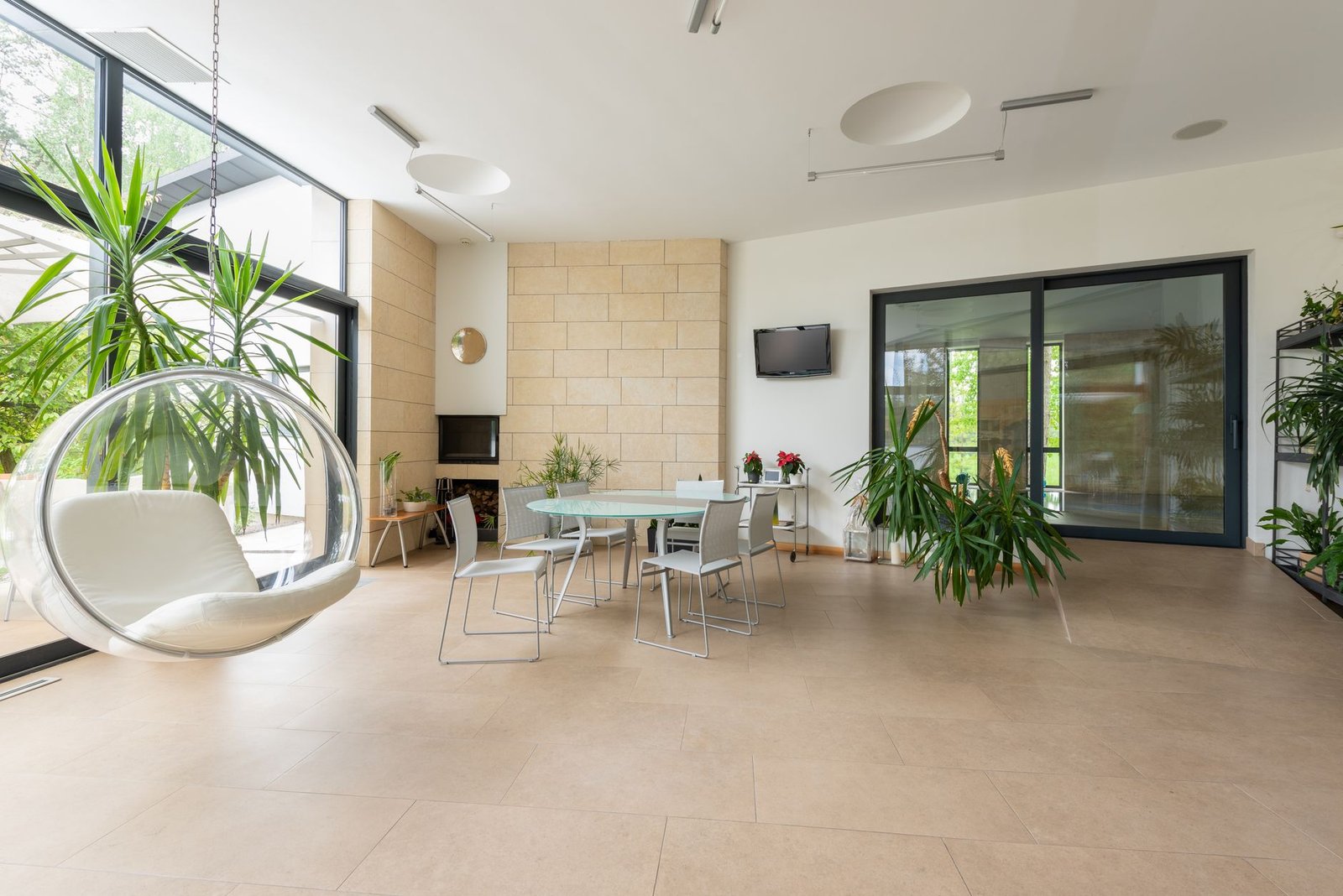
Featured image: Photo by Max Vakhtbovych on Pexels