Bamboo vs Microfibre Towels: Ultimate Soft Absorbent Guide
Disclosure: As an Amazon Associate, I earn from qualifying purchases. This post may contain affiliate links, which means I may earn a small commission at no extra cost to you. I only recommend products I genuinely think could help you create a cozier home.
How to use this guide: Recommendations describe product types and buying considerations, not hands-on tests of a specific model. Search links show matching options in Australia and the US. Check the seller’s dimensions, materials, instructions and current pricing before buying. See our editorial approach.
When comparing bamboo vs microfibre towels, bamboo wins for eco-conscious softness and natural antibacterial properties, while microfibre excels at ultra-fast drying and travel-friendly compactness. The right choice depends on whether you prioritise luxurious feel or pure functionality—and honestly, many bathrooms benefit from having both.
I’ve spent far too much time thinking about towels. There’s the scratchy hotel towel that makes you question life choices, the threadbare favourite you can’t bring yourself to replace, and that one pristine guest towel nobody’s allowed to touch. Finding towels that are genuinely soft, properly absorbent, and don’t smell musty after two uses shouldn’t feel like a quest—but here we are.
Quick Comparison at a Glance
- Choose bamboo towels if you want plush softness, natural odour resistance, and eco-friendly credentials
- Choose microfibre towels if fast drying, lightweight packing, and quick laundry cycles matter most
- Choose cotton luxury sets if classic thickness and long-term durability are your priorities
- Bamboo gets softer with washing; microfibre maintains consistency but may feel less luxurious
- For sensitive skin, bamboo’s hypoallergenic fibres often feel gentler than synthetic microfibre
Understanding the Bamboo vs Microfibre Towels Debate
Bamboo and microfibre represent fundamentally different approaches to towel design. Bamboo towels come from natural plant fibres, processed into a viscose-like material that’s surprisingly silky against skin. Microfibre towels use ultra-fine synthetic threads—typically polyester and polyamide—engineered to maximise surface area for absorption.
The feel difference is noticeable immediately. Bamboo has a subtle weight and drape, almost like a thin blanket wrapping around you. Microfibre feels technical—efficient, lightweight, with that distinctive squeaky-clean texture some people love and others find slightly odd against wet skin.
According to EPA guidelines on sustainable products, bamboo’s rapid growth rate and minimal pesticide requirements give it environmental advantages over conventional cotton, though the chemical processing required for bamboo viscose is worth considering for the most eco-conscious buyers.
Absorbency: How Soft Absorbent Towels Actually Perform
Bamboo towels absorb approximately 40% more water than cotton equivalents by weight, making them genuinely impressive for a soft absorbent bath towel option. The hollow fibre structure wicks moisture away from skin rather than just sitting on the surface.
Microfibre works differently—it doesn’t absorb in the traditional sense but traps water between its densely packed fibres. This makes it phenomenal for quick surface drying but slightly less satisfying for that wrapped-in-comfort post-shower experience. The towel feels damp faster because water stays near the surface.
For everyday bath use, most people prefer bamboo’s absorption style. For gym bags, travel, or poolside quick-dries, microfibre’s technical approach makes more practical sense.
Durability and Long-Term Value
A quality bamboo towels review will always mention the softening effect—these towels genuinely improve with washing, becoming more plush over the first dozen cycles. However, bamboo fibres can be more delicate than microfibre, requiring gentler washing temperatures and avoiding fabric softeners that coat the fibres.
Microfibre maintains its performance characteristics remarkably well, often lasting years with proper care. The trade-off is that it never develops that broken-in luxury feel. It starts functional and stays functional.
Cotton luxury towel sets split the difference—they’re the most durable option long-term but require the longest drying time and can develop musty odours in humid bathrooms if not dried properly.
#1 Best Spa-Like Addition for Bathroom Floors: Bamboo Bath Mat
Best for: Adding natural warmth to bathroom floors | Why we picked it: Moisture-resistant with genuine aesthetic appeal
A slatted bamboo bath mat brings that spa-retreat feeling without a renovation budget. The raised design allows air circulation underneath, meaning it dries remarkably fast between uses—no more stepping onto a soggy mat hours after someone else showered. It’s particularly worth considering if your bathroom lacks good ventilation or you’re fighting that eternal battle against mildew.
- ✓ Naturally resists moisture and odour-causing bacteria
- ✓ Adds textural warmth to cold tile floors
- ✓ Dries quickly thanks to slatted airflow design
- ✗ Requires flat flooring—wobbles on uneven surfaces
Bottom line: Ideal for anyone wanting to upgrade their bathroom’s look and functionality in one purchase. Check the retailer for current pricing; and bamboo quality.
Browse matching options on Amazon AU · Browse matching options on Amazon US
#2 Best Quick-Dry Option for Active Lifestyles: Microfibre Quick Dry Towel
Best for: Gym bags, travel, and humid climates | Why we picked it: Dries in half the time of cotton
The microfibre quick dry towel earns its name—these things go from soaking wet to ready-to-pack in hours rather than days. If you’ve ever stuffed a damp cotton towel into a gym bag and regretted it deeply by the following morning, microfibre solves that problem entirely. The compact fold size also means you can actually fit a full-size towel in a carry-on.
- ✓ Dries three to four times faster than cotton alternatives
- ✓ Packs down to a fraction of regular towel size
- ✓ Lightweight enough for camping and backpacking trips
- ✗ Texture feels less luxurious than natural fibre options
Bottom line: Perfect for frequent travellers, gym regulars, or anyone in a humid climate where towels struggle to dry. Check the retailer for current pricing; for quality options.
Browse matching options on Amazon AU · Browse matching options on Amazon US
#3 Best Classic Comfort for Everyday Use: Cotton Luxury Towel Set
Best for: Daily bathroom use and guest bathrooms | Why we picked it: Timeless thickness that lasts years
Sometimes the classic choice exists for good reason. A cotton luxury towel set delivers that substantial, wrap-yourself-up weight that bamboo and microfibre can’t quite replicate. For your main bathroom—the one where you want to linger after a proper soak—cotton’s familiar plushness still has genuine appeal. The key is choosing Turkish or Egyptian cotton with sufficient GSM weight.
- ✓ Familiar plush feel that improves after initial washes
- ✓ Excellent long-term durability with proper care
- ✓ Wide colour and style options to match any bathroom
- ✗ Takes longest to dry and needs good ventilation
Bottom line: The reliable choice for main bathrooms and guest towels where comfort and appearance matter most. Expect to invest (check current retailer pricing) for a quality set.
Browse matching options on Amazon AU · Browse matching options on Amazon US
Care Tips for Maximum Towel Longevity
Proper washing makes a genuine difference to how long your towels stay soft and absorbent. For bamboo, wash in warm (not hot) water and skip the fabric softener entirely—it coats fibres and reduces absorption over time. Tumble dry on low or line dry.
Microfibre needs even gentler treatment. Cold water, no fabric softener, and low heat drying preserve the fine fibres that give it those quick-dry properties. Never use bleach on microfibre.
Cotton handles the most abuse but benefits from occasional vinegar rinses to strip detergent buildup. About once a month, run towels through a hot cycle with a cup of white vinegar instead of detergent—this restores absorbency remarkably well.
Environmental Considerations
If sustainability influences your purchasing decisions, bamboo has clear advantages over microfibre. Bamboo grows rapidly without pesticides and biodegrades naturally at end of life. Microfibre, being synthetic, sheds microplastics during washing—a genuine environmental concern highlighted by EPA research on microplastics.
Cotton’s environmental impact depends heavily on sourcing. Organic cotton avoids pesticide concerns but requires significant water. For the most eco-conscious choice, certified organic bamboo towels offer the best balance of comfort and sustainability.
| Product | Best For | Key Feature | Ideal Room | Check Price |
|---|---|---|---|---|
| Bamboo Bath Mat | Spa-like bathroom upgrade | Natural moisture resistance | Main bathroom | Browse matching options on Amazon AU · Browse matching options on Amazon US |
| Microfibre Quick Dry Towel | Travel and gym use | Ultra-fast drying time | Gym bag or suitcase | Browse matching options on Amazon AU · Browse matching options on Amazon US |
| Cotton Luxury Towel Set | Everyday comfort | Classic plush thickness | Guest bathroom | Browse matching options on Amazon AU · Browse matching options on Amazon US |
Which Should You Choose?
If you want the most luxurious daily experience with eco-friendly credentials, bamboo towels and bath mats are your best investment. They get softer over time, resist odours naturally, and feel genuinely special against skin. The bamboo bath mat transforms cold bathroom floors into something you actually look forward to stepping onto.
Browse matching options on Amazon AU · Browse matching options on Amazon US
If you travel frequently, go to the gym regularly, or live somewhere humid where drying towels is a constant struggle, microfibre quick dry towels solve real problems. They’re not about luxury—they’re about function, and they deliver.
Browse matching options on Amazon AU · Browse matching options on Amazon US
If you simply want reliable, classic comfort without overthinking it, a quality cotton luxury towel set remains a sound choice. It’s the familiar option that works well for most households.
Browse matching options on Amazon AU · Browse matching options on Amazon US
Frequently Asked Questions
Are bamboo towels more absorbent than microfibre?
Bamboo towels absorb more water overall and wick moisture into the fibre structure, creating a drier skin feel. Microfibre traps water between fibres rather than absorbing it, which means it feels damp faster but dries much quicker afterwards. For post-shower comfort, bamboo generally feels more absorbent.
What is the best soft absorbent bath towel material for sensitive skin?
Bamboo is typically gentlest on sensitive skin due to its natural hypoallergenic properties and smooth fibre structure. Microfibre can occasionally irritate very sensitive skin because of its synthetic composition. Organic cotton is another excellent option for those with skin sensitivities.
How long do bamboo towels last compared to cotton?
With proper care, quality bamboo towels last three to five years of regular use—comparable to good cotton. Bamboo requires gentler washing temperatures and should never use fabric softener, but it rewards this care by becoming softer over time rather than rougher.
Do microfibre towels really dry faster?
Microfibre towels dry approximately three to four times faster than cotton equivalents. This makes them ideal for travel, gym use, or humid climates where towels struggle to dry between uses. The trade-off is a less luxurious feel compared to natural fibres.
When is the best time to buy bathroom towels?
Can I use fabric softener on bamboo or microfibre towels?
Avoid fabric softener on both bamboo and microfibre towels. Softener coats fibres and significantly reduces absorbency over time. For bamboo, this negates its natural softening process. For microfibre, it can permanently impair the fine fibres that enable quick drying. Use white vinegar occasionally instead for softening.
Are bamboo towels worth the higher price?
Bamboo towels typically cost 20-40% more than comparable cotton, but many users find the natural softness, odour resistance, and eco-credentials justify the investment. They’re particularly worth considering if you’ve struggled with musty towel smells or have sensitive skin that reacts to synthetic materials.
Which towel type is best for a humid bathroom?
Microfibre towels perform best in humid bathrooms because they dry so quickly, preventing the musty odours that plague slower-drying materials. Bamboo bath mats are also excellent for humid spaces due to their natural antimicrobial properties and slatted designs that allow airflow.
Can bamboo and microfibre towels be washed together?
It’s best to wash them separately. Bamboo prefers warm water while microfibre needs cold, and both have specific drying requirements. Washing together means compromising on temperature for one or the other, potentially shortening the lifespan of your towels.
The bamboo vs microfibre towels debate ultimately comes down to priorities. Both materials offer genuine advantages over standard cotton in specific situations. Most well-stocked bathrooms benefit from having multiple options—bamboo or cotton for everyday luxury, microfibre for practical quick-dry needs. Your towels work hard for you every day; choosing the right ones makes those small daily moments just a bit more comfortable.
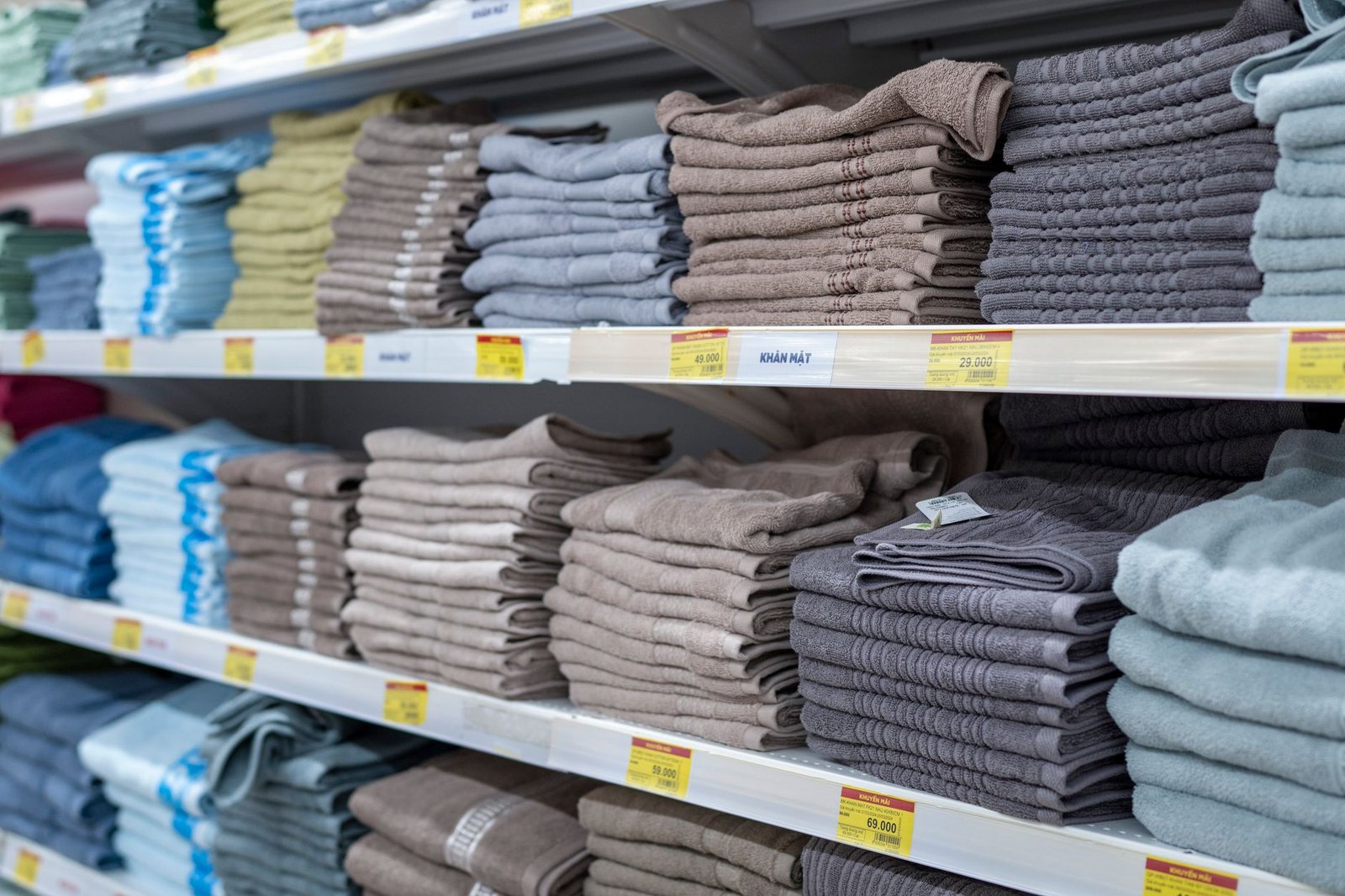
Featured image: Photo by quang vinh on Pexels